Back
Boom Barrier Price in India: 2026 Residential and Commercial Cost
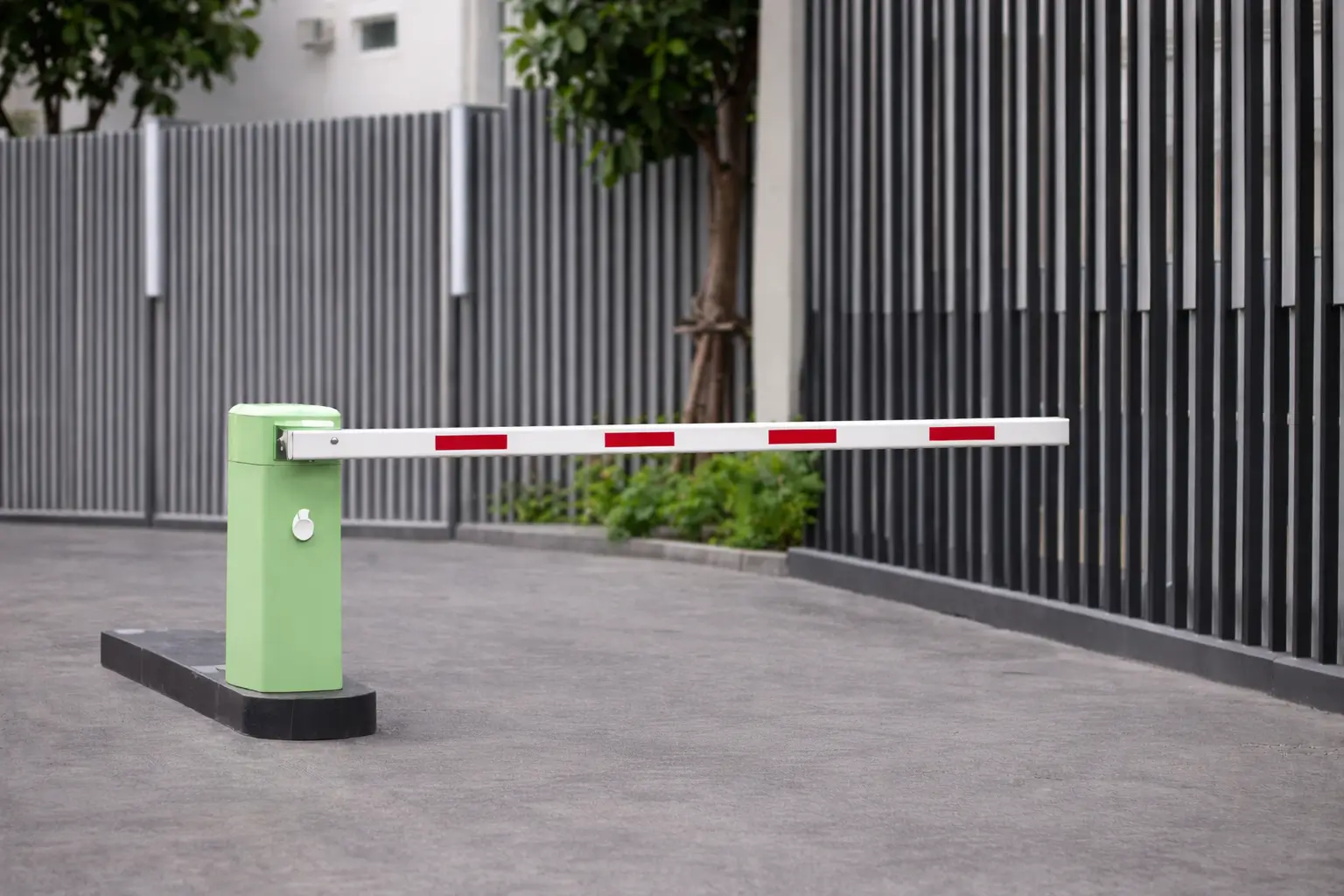
Updated pricing breakdown for automatic, RFID, and heavy-duty boom barriers in India.
Managing vehicle entry is no longer just about opening and closing a gate. With rising vehicle density in Indian cities, apartments, offices, hospitals, and commercial complexes are shifting towards automated access control systems. That’s where a boom barrier system becomes essential.
If you are planning to install one, the first question is obvious: What is the boom barrier price in India in 2026?
This guide gives you a realistic cost range, explains what actually affects pricing, and helps you avoid overspending on features you may not need.
Boom Barrier Price in India
In India, boom barrier prices vary depending on automation level, durability, traffic load, and integration requirements.
A manual boom barrier usually costs between ₹10,000 and ₹25,000. This type is suitable for low-traffic areas where a security guard operates the gate manually.
An entry-level automatic boom barrier generally falls in the ₹40,000 to ₹70,000 range. These are motorised systems ideal for small residential societies or private parking lots.
A mid-range automatic boom barrier with safety sensors can cost anywhere between ₹70,000 and ₹1,50,000. These are better suited for apartments with steady vehicle movement.
If you require RFID-enabled access control, the investment typically starts from ₹1,50,000 and can go up to ₹2,50,000 or more, depending on tag quantity and system complexity.
For large commercial premises needing integrated parking software, high-speed motors, and heavy-duty arms, the total cost can cross ₹3,00,000 to ₹5,00,000.
These figures reflect market trends across metro and Tier-2 cities in 2026. Final pricing depends on supplier, installation requirements, and customisation.the
Why Boom Barrier Prices Differ So Much
Many buyers assume a boom barrier is just a pole with a motor. In reality, several components determine the final cost.
1. Traffic Volume Capacity
A residential gate handling 150 vehicles daily does not need the same motor strength as a mall parking system handling 2,000 vehicles per day. High-duty cycle motors cost more but last significantly longer.
2. Boom Arm Length
Standard arms are around 3 to 4 metres. Wider entrances require 5 to 8 metre arms, increasing both material and motor costs.
3. Automation and Smart Features
Basic remote-operated barriers are cheaper. Systems integrated with RFID cards, UHF readers, access software, or license plate recognition are priced higher due to added hardware and configuration.
4. Safety Mechanisms
Infrared sensors, anti-crash technology, auto-reverse function, and obstruction detection improve safety. These features add cost but reduce long-term risks.
5. Power Backup
In areas with frequent power cuts, battery backup or UPS integration becomes essential. This increases initial investment but ensures uninterrupted operation.
6. Installation and Civil Work
Foundation work, wiring, controller setup, and configuration are often charged separately. This is where hidden costs sometimes appear.
Residential Boom Barrier Cost – What Should You Expect?
For apartments and gated societies, the focus should be reliability and moderate automation.
A practical residential setup with a standard automatic boom barrier, basic safety sensors, and proper installation usually costs between ₹80,000 and ₹1,50,000.
If the society wants RFID-based resident entry and visitor management integration, the investment may rise to ₹1,50,000–₹2,00,000 depending on the number of RFID tags required.
The key is to choose a system that balances performance with realistic traffic demand. Overspecifying a heavy industrial motor for a small society increases cost unnecessarily.
Commercial Boom Barrier Cost in India
Commercial properties require stronger systems because of higher traffic frequency and longer operating hours.
For office complexes, hospitals, malls, and industrial units, the average cost starts from ₹2,00,000 and can exceed ₹4,50,000 depending on speed, automation level, and integration with parking management software.
These systems are designed for durability and fast response time, which is critical in high-traffic environments.
Is a Boom Barrier Worth the Investment?
From a purely financial perspective, a boom barrier may seem expensive compared to a traditional gate. However, the long-term advantages are significant:
Reduced dependency on manual supervision
Better vehicle discipline
Controlled visitor access
Improved security records
Professional appearance for the property
In high-density areas, automation also prevents congestion at entry points.
How to Choose the Right Boom Barrier in 2026
Before finalising a purchase, consider these practical points:
Evaluate your daily vehicle count
Check warranty and service availability
Confirm motor duty cycle rating
Ask about upgrade compatibility
Compare at least three vendors
Avoid selecting purely on lowest price. Low-cost systems often compromise motor life and sensor quality.
Final Thoughts
The boom barrier price in India depends on functionality, durability, and level of automation. For residential societies, a mid-range automatic barrier offers the best value. For commercial properties, investing in a high-duty cycle system ensures long-term reliability.
As urban vehicle pressure continues to increase in 2026, access control is no longer optional. A well-chosen boom barrier is not just an entry solution — it is a security upgrade for your entire property.
Parksmart Boom Barriers and Parking Solutions
If you are planning to improve parking management, Parksmart boom barriers are designed for residential societies, offices, and commercial properties.
Parksmart also provides complete parking solutions that help control vehicle entry, reduce congestion, and make parking areas more organised and secure.