Back
Best Boom Barriers for Malls and Hospitals in India
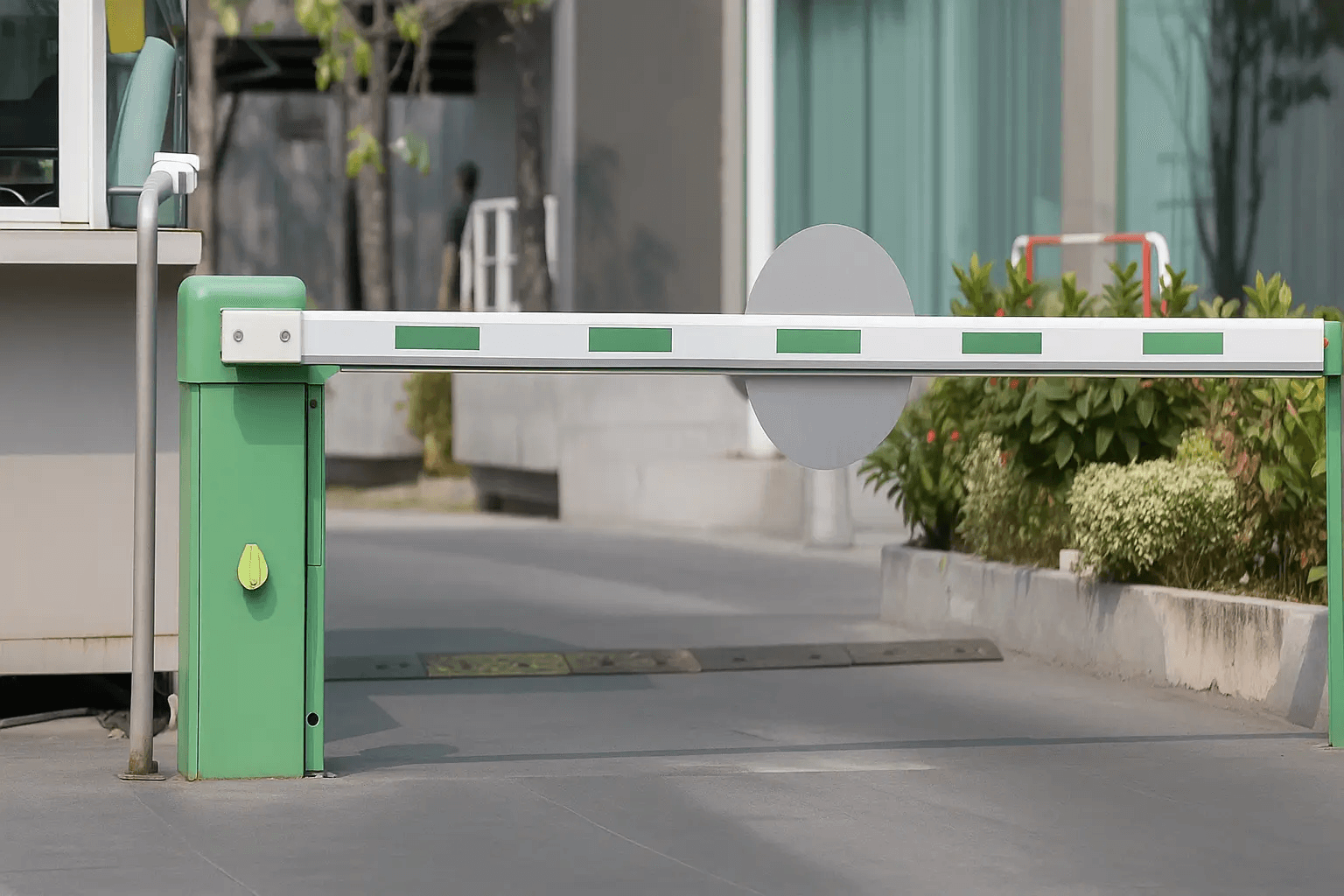
High-speed, secure access control solutions designed for malls and hospitals.
Malls and hospitals deal with a constant and unpredictable flow of vehicles. From customers and visitors to ambulances, staff cars, delivery vans, and emergency services, both environments need controlled access without creating congestion. This is where boom barriers become more than just a gate; they become a traffic management tool.
However, the right model for a mall is not always the right model for a hospital. Each location has unique challenges related to speed, priority access, safety, and volume. Choosing the correct boom barrier requires more thought than simply selecting the cheapest or fastest option.
This guide explains how mall and hospital requirements differ and how to select a model that matches the real-world usage.
Why Boom Barriers Are Essential in Malls and Hospitals
Both malls and hospitals operate large parking and access areas, but the nature of traffic is very different.
In malls, the focus is on:
Managing high volume during peak hours
Preventing unauthorised entry
Tracking entry and exit for parking management
Easy integration with ticketing and payment systems
In hospitals, the focus shifts to:
Providing immediate access during emergencies
Prioritising ambulances and critical vehicles
Ensuring smooth traffic flow for patients and visitors
Maintaining a secure and restricted environment
A boom barrier system must support these operational demands without slowing down urgent movement or causing overcrowding at the gate.
Key Factors to Consider Before Choosing a Boom Barrier
A good boom barrier for commercial and healthcare environments must be selected based on real usage patterns, not just technical specifications.
Traffic Volume per Hour
Malls often experience a heavy rush during weekends and holidays, with hundreds of vehicles passing through per hour. Hospitals may have a steady flow across the day and night.
For high-volume zones, a high-speed boom barrier is a better fit because it opens and closes faster, reducing backlogs and long queues.
Emergency Access Requirement (Hospitals Only)
Hospitals cannot afford delays. Any model installed at the emergency entrance must:
Open in less than 2 seconds
Support manual override
Have uninterrupted power backup
Allow automatic opening for ambulances
A slow or semi-automatic barrier in a hospital can become a critical failure point during emergencies.
Types of Boom Barriers Best Suited for Malls
Automatic Boom Barriers
These are the most widely used in mall parking areas and main entrances. They work well with:
Token systems
Parking tickets
RFID cards
FASTag or QR-based access
Number plate recognition (ANPR)
They offer smooth operation even during heavy peak hours and can easily integrate with a Mall Parking Management System.
Heavy-Duty Industrial Boom Barriers
For major malls with basements and outdoor parking containing hundreds of vehicles, a heavy-duty barrier is ideal. These models are built to:
Operate continuously for long hours
Handle longer boom arms
Withstand dust, heat, and rain
Last longer with minimal maintenance
These barriers are beneficial for entry and exit lanes near highways or busy roads.
Types of Boom Barriers Required in Hospitals
Ultra-Fast Boom Barriers
These are designed for instant access, especially at:
Emergency gates
Ambulance entry points
Doctor-only access lanes
With rapid opening time, these barriers do not interrupt life-saving services and still maintain traffic discipline.
Foldable Boom Barriers (Limited Space Areas)
Some hospital entrances have limited turning space. In such cases, foldable or telescopic arm barriers are more practical than straight-arm designs.
They reduce space usage while maintaining full control at entry points.
Backup-Ready Smart Barriers
Hospitals require systems that continue functioning even during power failure. A good hospital-grade barrier must support:
Battery backup
Solar connectivity
Manual unlock system
Independent controller unit
This ensures zero downtime, even in critical situations.
RFID vs ANPR Integration for These Locations
Both malls and hospitals can benefit from smart integration:
For Malls:
ANPR system is more convenient for customers
It reduces manual intervention
Works smoothly with parking billing
For Hospitals:
RFID or access cards work better for staff and ambulances
Restricted access can be controlled easily
Better for VIP or emergency vehicles
A combination of both is often the best solution for large complexes.
Common Mistakes in Boom Barrier Selection
Many properties make avoidable mistakes during installation, such as:
Choosing a low-speed model for high traffic areas
Not considering future traffic growth
Ignoring backup power options
Installing long arms without checking site width
Lack of software integration planning
These decisions lead to failure, congestion, or frequent repairs.
Choosing the right model from the beginning saves both cost and operational trouble.
Why Parksmart Boom Barriers Are Built for These Challenges
Parksmart focuses on providing access control solutions that are not just machines but systems designed for specific environments.
For malls, Parksmart offers:
High-speed automatic barriers
ANPR and FASTag compatible models
Parking management integration
For hospitals, Parksmart provides:
Ultra-fast emergency-ready barriers
Custom-priority lane access
Each system is designed to support safety, speed, and reliability without disruption.
Final Thought
Boom barriers are not one-size-fits-all. A shopping mall needs a system that can handle crowds. A hospital needs one that can never fail in an emergency. The right model depends on understanding the actual flow, risk, and responsibility of that location.
Before selecting a boom barrier, analyse your traffic type, peak flow time, and safety demands.
If you are planning to install or upgrade a boom barrier system for a mall or hospital, Parksmart can guide you to the most reliable and efficient solution.