Back
Why Boom Barriers Replace Manual Security in Housing Societies
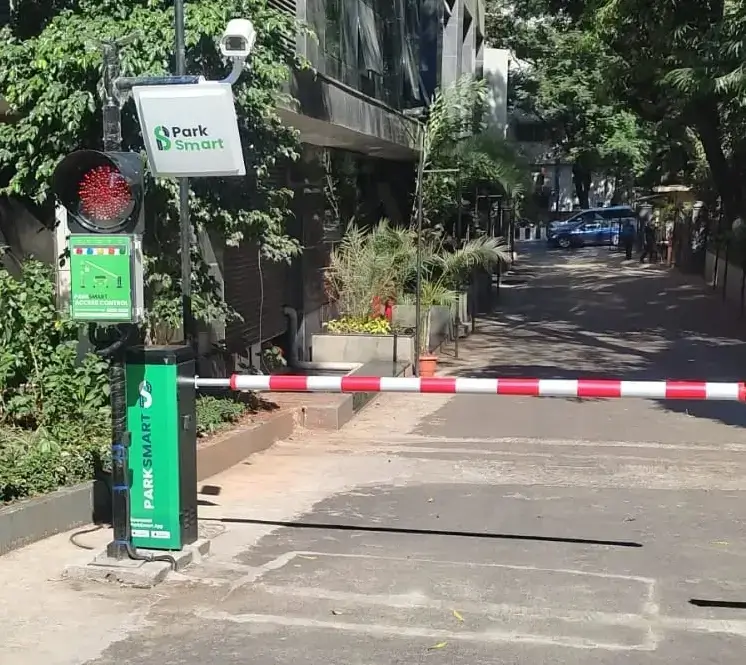
Why housing societies are shifting from manual guards to automated boom barriers.
For decades, residential societies in India relied on security guards with registers, whistles, and verbal instructions to control vehicle movement. That system worked when traffic was limited and expectations were low. Today, it is steadily breaking down.
Boom barriers are not replacing manual security because they look modern. They are replacing it because manual control no longer scales with the realities of urban housing, legal accountability, and resident expectations.
The Limits of Human-Dependent Security
Manual security systems depend entirely on attention, memory, and judgment. In high-density societies, guards are expected to remember hundreds of vehicles, verify permissions instantly, and manage entry during peak hours.
This creates unavoidable gaps:
Vehicles enter without proper verification
Guards miss overstays or repeated entries
Rules are enforced inconsistently
Disputes arise over “who allowed whom”
No matter how experienced a guard is, fatigue, shift changes, and pressure reduce accuracy. Boom barriers remove this dependency on constant human decision-making.
Rising Vehicle Density Has Changed the Equation
Housing societies today host far more vehicles than they were designed for. Multiple cars per flat, delivery vans, ride-hailing services, and visitor traffic have transformed entry gates into congestion points.
Manual checks slow down entry, especially during:
Morning office rush
Evening peak return hours
Weekends and events
Boom barriers automate access, allowing vehicles to move quickly while still enforcing rules. This balance between speed and control is difficult to achieve manually.
Accountability Is No Longer Optional
Residential societies are increasingly held accountable for the activities that occur within their premises. When incidents occur—such as vehicle damage, theft, unauthorised parking, or security breaches questions are asked.
Authorities, insurers, and residents want to know:
When did the vehicle enter?
Who authorised it?
How long did it stay?
Was access logged properly?
Manual registers rarely provide reliable answers. Boom barriers integrated with digital systems create time-stamped, tamper-proof records that protect both residents and management committees.
Manual Enforcement Creates Conflict
One of the biggest challenges for RWAs is enforcing parking and access rules without creating friction.
When a guard stops a vehicle manually, it often leads to:
Arguments at the gate
Allegations of bias
Pressure from residents or visitors
Inconsistent rule enforcement
Boom barriers shift enforcement from individuals to systems. Access decisions are rule-based, not person-based. This removes confrontation and makes enforcement neutral and predictable.
Integration With Modern Access Systems
Boom barriers today are not standalone metal arms. They integrate seamlessly with:
RFID tags
FASTag-based access
ANPR (number plate recognition) cameras
Resident and visitor mobile apps
This integration allows societies to:
Grant automatic access to authorised vehicles
Time-limited visitor entry
Track repeated visits
Block unauthorised vehicles instantly
Manual security cannot match this level of coordination, no matter how many guards are deployed.
Manpower Costs and Reliability Issues
Security manpower costs are rising every year. At the same time, societies struggle with:
Guard absenteeism
Frequent staff turnover
Training gaps
Dependency on contractors
Boom barriers reduce over-reliance on manpower. Guards remain important, but their role shifts from gatekeeping to monitoring and assistance, improving both efficiency and reliability.
Better Control Over Visitor and Commercial Traffic
Visitor vehicles, delivery services, and commercial traffic are the most misused entry points in housing societies.
Without automation:
Vehicles overstay
Parking rules are ignored
Commercial vehicles misuse residential space
Boom barriers combined with digital approvals ensure visitors enter only when permitted and exit within allowed timeframes. This protects resident parking rights and reduces misuse.
Perception of Security Matters
Residents do not judge security only by incident numbers—they judge it by visible control.
A society with controlled entry via boom barriers feels safer because:
Entry is structured
Movement appears monitored
Rules are visibly enforced
This perception improves resident satisfaction and even impacts property value and rental appeal.
Why This Shift Is Accelerating Now
Boom barriers are replacing manual security because multiple pressures are converging:
Higher vehicle density
Legal accountability
Rising manpower costs
Resident expectations of automation
Integration with digital parking systems
Once societies experience these pressures together, manual systems become unsustainable.
Also read→
Best Heavy-Duty Automatic Boom Barrier Gates: Types and Benefits Guide
Final Perspective
Boom barriers are not eliminating security guards—they are reshaping their role. Instead of stopping cars manually, guards oversee systems that are faster, fairer, and more reliable.
For housing societies, this shift is no longer about upgrading infrastructure. It is about maintaining control, reducing conflict, and meeting modern standards of safety and accountability.
Manual security belongs to an era of lower density and lower expectations.
Boom barriers belong to the reality of today’s urban living.