Back
How FASTag Identifies Your Vehicle at Indian Toll Plazas
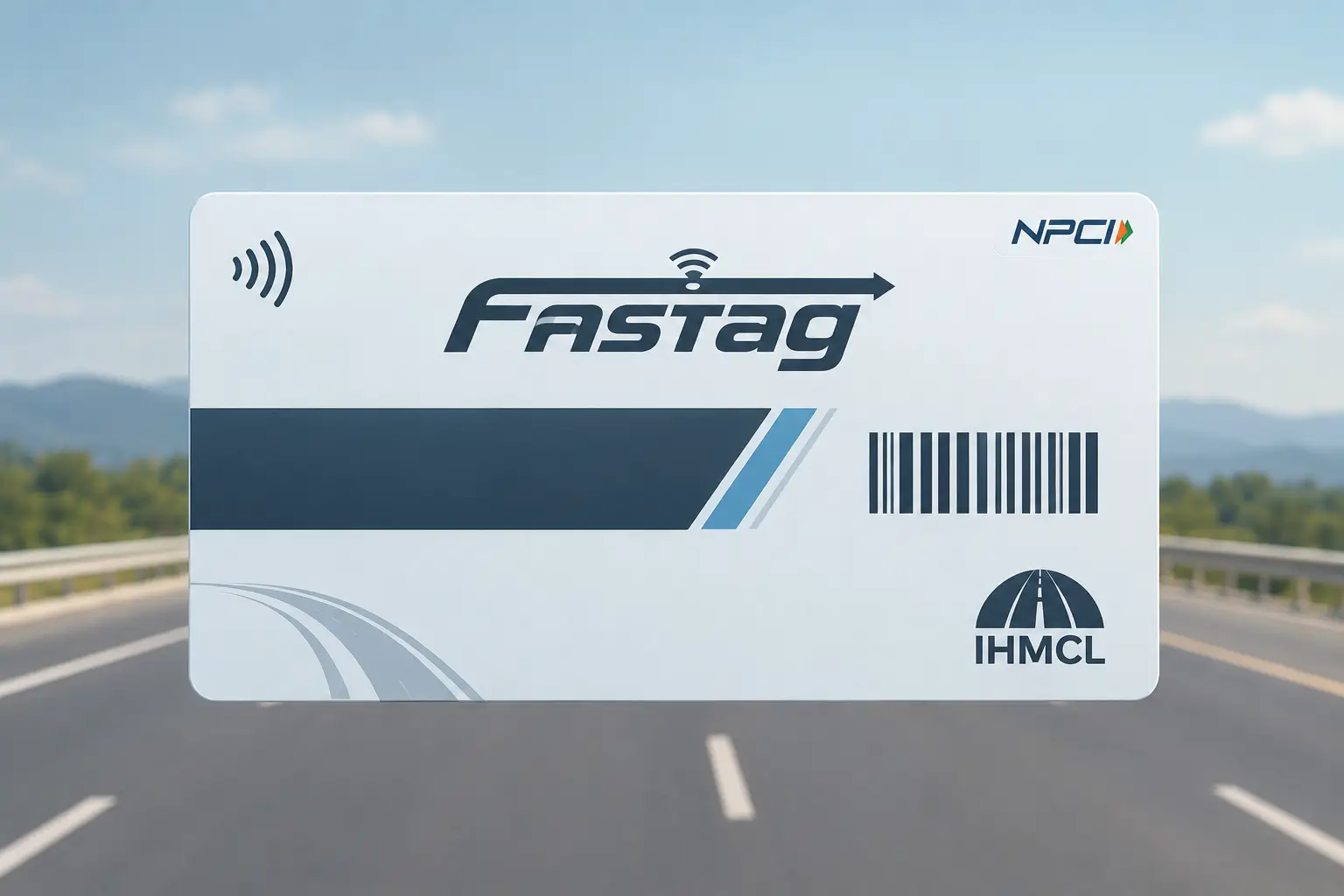
Understand how RFID, FASTag IDs, vehicle records, and toll systems work together to process highway payments.
How Does FASTag Identify Your Vehicle at Toll Plazas?
When a vehicle reaches a FASTag-enabled toll plaza, the toll system can identify the vehicle and process the toll payment without requiring the driver to stop and pay in cash.
But how does FASTag actually know which vehicle is passing through the toll lane?
The answer involves RFID technology, a unique FASTag ID, a reader installed at the toll plaza, and a linked vehicle account.
FASTag itself does not read the vehicle number like a camera. Instead, the RFID system reads the information on the tag attached to the vehicle and uses it to process the toll transaction.
What Is FASTag?
FASTag is an electronic toll collection system used on national highways in India. It uses RFID (Radio Frequency Identification) technology to identify a vehicle when it passes through a FASTag-enabled toll lane.
The FASTag is fixed to the vehicle's front windscreen. It contains an RFID chip and antenna that can communicate with the RFID reader installed at the toll plaza.
The tag is linked to the vehicle and the account used for toll payments.
When the vehicle approaches the toll lane, the system reads the tag and starts the transaction process.
How Does FASTag Identify a Vehicle?
FASTag does not identify a vehicle by simply looking at its registration number.
Instead, the process generally works like this:
FASTag → RFID Reader → Tag Information → Linked Vehicle Account → Toll Transaction
Here is what happens at the toll plaza.
1. The Vehicle Enters the FASTag Lane
When a vehicle approaches a FASTag-enabled lane, the RFID system installed at the toll plaza is ready to detect compatible FASTags.
The tag should be properly placed on the vehicle's windscreen so that the reader can communicate with it.
2. The RFID Reader Detects the FASTag
An RFID reader installed near the toll lane sends a radio signal.
When the vehicle comes within the required range, the FASTag responds to the reader.
The reader then captures the tag's identification information.
This is why FASTag can be detected without the driver physically presenting anything to the toll operator.
3. The System Reads the Tag ID
Every FASTag has a unique identification associated with it.
The RFID reader captures this information rather than simply reading the vehicle's registration number.
The system can then use the tag information to locate the relevant FASTag record and continue processing the transaction.
4. The Tag Is Linked to Vehicle Details
During FASTag issuance, the tag is associated with vehicle information and a customer account.
This connection allows the toll system to determine which account should be used when the tag is detected.
So, the RFID reader does not need to directly read the number plate to know which FASTag account is involved.
The important point is that the FASTag and its associated vehicle/account information are already linked in the system.
5. The Toll Amount Is Processed
Once the FASTag is identified and the transaction is validated, the applicable toll amount is processed through the linked FASTag account.
The amount depends on the toll plaza, vehicle category and applicable toll rules.
The transaction is then recorded electronically.
This removes the need for a driver to hand over cash at the toll booth.
Does FASTag Read the Vehicle Number?
No. FASTag itself does not read the vehicle's number plate.
FASTag uses RFID technology to communicate with the RFID reader.
However, toll plazas can also use cameras and other technologies for vehicle monitoring, enforcement and transaction verification.
This is different from the RFID-based identification performed by FASTag.
For example, an ANPR (Automatic Number Plate Recognition) camera can capture a vehicle's registration number from its number plate. FASTag and ANPR therefore perform different functions, although they can be used together in a broader toll or vehicle-management system.
What Happens If the FASTag Cannot Be Detected?
A FASTag may fail to get detected for several reasons.
Some common possibilities include:
The FASTag is not properly attached to the windscreen.
The tag is damaged.
The tag is inactive or has another issue with its status.
The RFID reader cannot communicate with the tag correctly.
The vehicle is not using the designated FASTag lane correctly.
If the tag cannot be read, the normal FASTag transaction may not be completed automatically.
The exact action taken can depend on the toll plaza and the reason for the failed detection.
Can One FASTag Be Used for Multiple Vehicles?
A FASTag is issued for a specific vehicle and should not be transferred between vehicles.
This is important because the tag is associated with vehicle and account information.
Using a tag on a different vehicle can create transaction and compliance issues.
If you purchase another vehicle, you should follow the applicable FASTag process for that vehicle rather than simply moving the old tag to it.
FASTag vs Number Plate Recognition
FASTag and number plate recognition may both help identify vehicles, but they work in different ways.
FASTag uses RFID.
It communicates wirelessly with an RFID reader installed at the toll location.
ANPR uses cameras.
It captures the vehicle's number plate and uses image-processing technology to read the registration number.
This distinction is useful because people often assume that FASTag itself scans the number plate. It does not.
Why Is FASTag Useful for Toll Collection?
The main advantage of FASTag is that toll collection can happen electronically as the vehicle passes through the toll lane.
This can reduce the need for:
Cash payments
Manual toll collection
Physical handling of money
Long payment interactions at the booth
It can also make transaction records easier to maintain because the toll payment is processed electronically.
For busy highways, automated identification and payment can help improve the movement of vehicles through toll plazas.
What Technology Makes FASTag Detection Possible?
The main technology behind FASTag detection is RFID.
An RFID system generally has three important parts:
FASTag
The tag attached to the vehicle contains the RFID component that communicates with the reader.
RFID Reader
The reader installed at the toll plaza detects and communicates with the FASTag.
Backend System
The backend connects the tag information with the relevant account and processes the toll transaction.
Together, these components allow a vehicle carrying a valid FASTag to be identified electronically.
Final Takeaway
FASTag does not identify your vehicle by simply reading its number plate.
Instead, it uses RFID technology to communicate with a reader at the toll plaza. The reader captures the FASTag's unique identification, and the system uses its linked vehicle and account information to process the toll transaction.
Note: FASTag transactions and toll collection may vary depending on the toll plaza, vehicle category, tag status and applicable rules. The information in this article is provided for general understanding of how FASTag and RFID-based toll collection work.
In simple terms:
Your vehicle carries the FASTag → the RFID reader detects the tag → the system identifies the linked FASTag record → the toll is processed electronically.
Understanding this difference also makes it easier to understand how FASTag, RFID and technologies such as ANPR can work together in modern vehicle and traffic-management systems.
How Does FASTag Identify Your Vehicle at Toll Plazas?
When a vehicle reaches a FASTag-enabled toll plaza, the toll system can identify the vehicle and process the toll payment without requiring the driver to stop and pay in cash.
But how does FASTag actually know which vehicle is passing through the toll lane?
The answer involves RFID technology, a unique FASTag ID, a reader installed at the toll plaza, and a linked vehicle account.
FASTag itself does not read the vehicle number like a camera. Instead, the RFID system reads the information on the tag attached to the vehicle and uses it to process the toll transaction.
What Is FASTag?
FASTag is an electronic toll collection system used on national highways in India. It uses RFID (Radio Frequency Identification) technology to identify a vehicle when it passes through a FASTag-enabled toll lane.
The FASTag is fixed to the vehicle's front windscreen. It contains an RFID chip and antenna that can communicate with the RFID reader installed at the toll plaza.
The tag is linked to the vehicle and the account used for toll payments.
When the vehicle approaches the toll lane, the system reads the tag and starts the transaction process.
How Does FASTag Identify a Vehicle?
FASTag does not identify a vehicle by simply looking at its registration number.
Instead, the process generally works like this:
FASTag → RFID Reader → Tag Information → Linked Vehicle Account → Toll Transaction
Here is what happens at the toll plaza.
1. The Vehicle Enters the FASTag Lane
When a vehicle approaches a FASTag-enabled lane, the RFID system installed at the toll plaza is ready to detect compatible FASTags.
The tag should be properly placed on the vehicle's windscreen so that the reader can communicate with it.
2. The RFID Reader Detects the FASTag
An RFID reader installed near the toll lane sends a radio signal.
When the vehicle comes within the required range, the FASTag responds to the reader.
The reader then captures the tag's identification information.
This is why FASTag can be detected without the driver physically presenting anything to the toll operator.
3. The System Reads the Tag ID
Every FASTag has a unique identification associated with it.
The RFID reader captures this information rather than simply reading the vehicle's registration number.
The system can then use the tag information to locate the relevant FASTag record and continue processing the transaction.
4. The Tag Is Linked to Vehicle Details
During FASTag issuance, the tag is associated with vehicle information and a customer account.
This connection allows the toll system to determine which account should be used when the tag is detected.
So, the RFID reader does not need to directly read the number plate to know which FASTag account is involved.
The important point is that the FASTag and its associated vehicle/account information are already linked in the system.
5. The Toll Amount Is Processed
Once the FASTag is identified and the transaction is validated, the applicable toll amount is processed through the linked FASTag account.
The amount depends on the toll plaza, vehicle category and applicable toll rules.
The transaction is then recorded electronically.
This removes the need for a driver to hand over cash at the toll booth.
Does FASTag Read the Vehicle Number?
No. FASTag itself does not read the vehicle's number plate.
FASTag uses RFID technology to communicate with the RFID reader.
However, toll plazas can also use cameras and other technologies for vehicle monitoring, enforcement and transaction verification.
This is different from the RFID-based identification performed by FASTag.
For example, an ANPR (Automatic Number Plate Recognition) camera can capture a vehicle's registration number from its number plate. FASTag and ANPR therefore perform different functions, although they can be used together in a broader toll or vehicle-management system.
What Happens If the FASTag Cannot Be Detected?
A FASTag may fail to get detected for several reasons.
Some common possibilities include:
The FASTag is not properly attached to the windscreen.
The tag is damaged.
The tag is inactive or has another issue with its status.
The RFID reader cannot communicate with the tag correctly.
The vehicle is not using the designated FASTag lane correctly.
If the tag cannot be read, the normal FASTag transaction may not be completed automatically.
The exact action taken can depend on the toll plaza and the reason for the failed detection.
Can One FASTag Be Used for Multiple Vehicles?
A FASTag is issued for a specific vehicle and should not be transferred between vehicles.
This is important because the tag is associated with vehicle and account information.
Using a tag on a different vehicle can create transaction and compliance issues.
If you purchase another vehicle, you should follow the applicable FASTag process for that vehicle rather than simply moving the old tag to it.
FASTag vs Number Plate Recognition
FASTag and number plate recognition may both help identify vehicles, but they work in different ways.
FASTag uses RFID.
It communicates wirelessly with an RFID reader installed at the toll location.
ANPR uses cameras.
It captures the vehicle's number plate and uses image-processing technology to read the registration number.
This distinction is useful because people often assume that FASTag itself scans the number plate. It does not.
Why Is FASTag Useful for Toll Collection?
The main advantage of FASTag is that toll collection can happen electronically as the vehicle passes through the toll lane.
This can reduce the need for:
Cash payments
Manual toll collection
Physical handling of money
Long payment interactions at the booth
It can also make transaction records easier to maintain because the toll payment is processed electronically.
For busy highways, automated identification and payment can help improve the movement of vehicles through toll plazas.
What Technology Makes FASTag Detection Possible?
The main technology behind FASTag detection is RFID.
An RFID system generally has three important parts:
FASTag
The tag attached to the vehicle contains the RFID component that communicates with the reader.
RFID Reader
The reader installed at the toll plaza detects and communicates with the FASTag.
Backend System
The backend connects the tag information with the relevant account and processes the toll transaction.
Together, these components allow a vehicle carrying a valid FASTag to be identified electronically.
Final Takeaway
FASTag does not identify your vehicle by simply reading its number plate.
Instead, it uses RFID technology to communicate with a reader at the toll plaza. The reader captures the FASTag's unique identification, and the system uses its linked vehicle and account information to process the toll transaction.
Note: FASTag transactions and toll collection may vary depending on the toll plaza, vehicle category, tag status and applicable rules. The information in this article is provided for general understanding of how FASTag and RFID-based toll collection work.
In simple terms:
Your vehicle carries the FASTag → the RFID reader detects the tag → the system identifies the linked FASTag record → the toll is processed electronically.
Understanding this difference also makes it easier to understand how FASTag, RFID and technologies such as ANPR can work together in modern vehicle and traffic-management systems.

Automated Gate Access & Parking Revenue Optimization
Eliminate manual errors and stop revenue leakage with automated RFID boom barriers, live occupancy tracking, and multi-mode POS payment processing for commercial properties.
144,200
+
Cars Managed by ParkSmart
110,100
+
Transactions Processed Daily
2,900
+
Parking Locations Integrated
299,100
+
Satisified Users
Increase Efficiency, Maximize Profit
Eliminate manual errors and stop revenue leakage with automated RFID boom barriers, live occupancy tracking, and multi-mode POS payment processing for commercial properties.
144,200
+
Cars Managed by ParkSmart
110,100
+
Transactions Processed Daily
2,900
+
Parking Locations Integrated
299,100
+
Satisified Users
Automated Gate Access & Parking Revenue Optimization
Eliminate manual errors and stop revenue leakage with automated RFID boom barriers, live occupancy tracking, and multi-mode POS payment processing for commercial properties.
144,200
+
Cars Managed by ParkSmart
110,100
+
Transactions Processed Daily
2,900
+
Parking Locations Integrated
299,100
+
Satisified Users
