Back
IoT Parking System for Smarter Parking Management
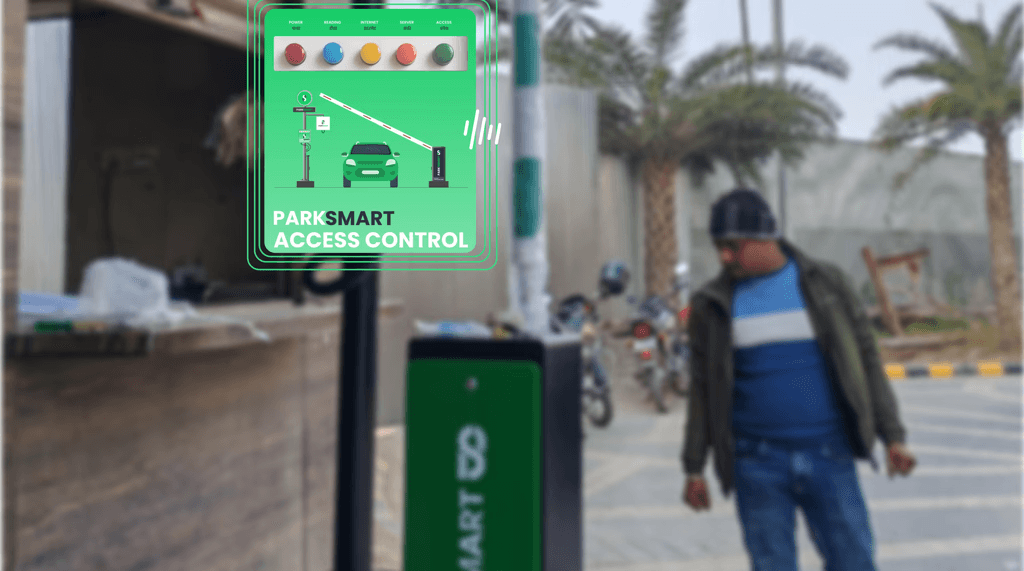
Learn how IoT technology connects parking devices to simplify vehicle access, monitoring, and daily operations.
IoT Parking System: A Complete Guide for Businesses
When you have a parking area with many cars coming and going every day, it can be hard to know what is happening there. You may want to know which parking spots are free, which cars have entered and left, and how the parking space is being used.
An IoT Parking System helps you keep track of these things. It connects parking devices and sends the information to one system. This makes it easier to check the parking area and manage daily parking work.
These systems can use parking sensors, RFID, ANPR cameras, boom barriers, IoT controllers and parking management software.
What Is an IoT Parking System?
An IoT Parking System is a system that uses connected devices to collect information from a parking area.
The devices can collect information about parking spots, cars and entry and exit points. This information is then sent to the parking software, where the parking manager can check it.
Depending on the place, an IoT Parking System can manage things like:
Car entry and exit
Parking spots
Free and occupied parking spots
Employee cars
Visitor cars
RFID access
ANPR-based car identification
Boom barriers
Parking sensors
Parking records
Reports and monitoring
The setup depends on the size and needs of the parking area.
How Does an IoT Parking System Work?
The process is quite simple.
1. A Car Enters
A car reaches the parking area and enters through the gate.
2. The System Collects Information
Parking sensors, RFID readers or ANPR cameras collect information about the car or parking spot.
3. The Information Is Sent
The connected devices send the information to the IoT controller and parking software.
4. The Parking Status Is Updated
The system updates the parking information. It can show which spots are free and which spots are already being used.
5. The Manager Checks the Information
The parking manager can see the information through the parking dashboard.
The same type of information can also be collected when cars leave the parking area.
Why Do Businesses Need an IoT Parking System?
It can be difficult to manage a large parking area when everything is done manually. Staff may have to check parking spots, guide cars and keep records.
An IoT Parking System can make these jobs easier.
Easy to Check Free Parking
Parking sensors can tell if a parking spot is free or occupied. This can help drivers find a parking spot without driving around for too long.
Better Parking Records
The system can keep information about cars entering and leaving the parking area. This makes it easier to check parking records later.
Less Manual Checking
Staff do not have to check every parking spot themselves. The connected devices can send the information to the system.
Better Use of Parking Space
Managers can see how the parking area is being used. This can help them find areas where parking space is not being used properly.
Better Car Access
IoT devices can work with RFID, ANPR and boom barriers. This makes it easier to control which cars can enter the parking area.
Main Parts of an IoT Parking System
An IoT Parking System can have different parts. The parts you need depend on the parking area.
Common parts include:
Parking Sensors
Parking sensors check whether a parking spot is free or occupied. The information can then be sent to the parking system.
IoT Controller
The IoT controller connects different parking devices and sends their information to the main system.
RFID Reader and Tags
RFID tags can be given to employees, residents or other regular users. The RFID reader reads the tag when the car reaches the gate.
ANPR Camera
An ANPR camera reads the car's registration number. It can be useful for visitor cars and places where different cars enter every day.
Automatic Boom Barrier
The boom barrier controls the entry and exit of cars. It can open when the system approves the car.
Parking Management Software
The software brings the information together. Managers can use it to check parking spots, car records, access details and reports.
Where Is an IoT Parking System Used?
IoT parking systems are useful in places where parking needs to be checked regularly.
Some common examples include:
Offices
Residential societies
Shopping malls
Hotels
Hospitals
IT parks
Colleges
Airports
Factories
Government buildings
For example, an office can use parking sensors to check free spots and RFID to identify employee cars. ANPR can be used for visitors, and a boom barrier can control the entry gate.
IoT Parking System vs Traditional Parking
Traditional parking usually depends on security staff to check cars and parking spots. Staff may also have to keep records in a paper book.
With an IoT Parking System, connected devices can collect and send parking information automatically.
Staff are still needed, but they do not have to do every task manually. They can use the information from the system to manage the parking area better.
How to Choose the Right IoT Parking System
Before choosing an IoT Parking System, check what your parking area actually needs.
Think about:
Number of cars coming each day
Number of parking spots
Number of entry and exit gates
Need for parking sensors
Need for RFID or ANPR
Need for visitor management
Internet and network setup
Software and support needs
Plans for future growth
A system should fit the way your parking area works. You do not always need every device or feature.
Also read→
Types of Boom Barriers: Features, Uses and Applications
Frequently Asked Questions
What is an IoT Parking System?
It is a system that uses connected devices, sensors and software to collect and manage parking information.
How does IoT help in parking?
IoT can collect information about parking spots, cars, entry, exit and other parking activity and send it to one system.
Can IoT work with RFID and ANPR?
Yes. RFID and ANPR can be connected with an IoT Parking System to identify cars and manage access.
Can an IoT Parking System work with a boom barrier?
Yes. The system can work with a boom barrier to control car entry and exit.
Is an IoT Parking System useful for offices?
Yes. Offices can use it to manage employee parking, visitor cars, parking spots and car entry and exit.
Also read→
Boom Barriers: Types, Features, Prices, and Applications
Conclusion
An IoT Parking System can make a parking area easier to manage when many cars use it every day. It helps collect information from parking sensors and other devices and brings that information into one system.
RFID, ANPR, boom barriers, IoT controllers, parking sensors and parking software can be used together or separately depending on the needs of the parking area.
The right system is not always the one with the most features. It is the one that solves the actual parking problems of the place.
Looking for the Right Parking Solution?
You should talk to parking experts to find a system that fits your parking area, traffic and security needs.
IoT Parking System: A Complete Guide for Businesses
When you have a parking area with many cars coming and going every day, it can be hard to know what is happening there. You may want to know which parking spots are free, which cars have entered and left, and how the parking space is being used.
An IoT Parking System helps you keep track of these things. It connects parking devices and sends the information to one system. This makes it easier to check the parking area and manage daily parking work.
These systems can use parking sensors, RFID, ANPR cameras, boom barriers, IoT controllers and parking management software.
What Is an IoT Parking System?
An IoT Parking System is a system that uses connected devices to collect information from a parking area.
The devices can collect information about parking spots, cars and entry and exit points. This information is then sent to the parking software, where the parking manager can check it.
Depending on the place, an IoT Parking System can manage things like:
Car entry and exit
Parking spots
Free and occupied parking spots
Employee cars
Visitor cars
RFID access
ANPR-based car identification
Boom barriers
Parking sensors
Parking records
Reports and monitoring
The setup depends on the size and needs of the parking area.
How Does an IoT Parking System Work?
The process is quite simple.
1. A Car Enters
A car reaches the parking area and enters through the gate.
2. The System Collects Information
Parking sensors, RFID readers or ANPR cameras collect information about the car or parking spot.
3. The Information Is Sent
The connected devices send the information to the IoT controller and parking software.
4. The Parking Status Is Updated
The system updates the parking information. It can show which spots are free and which spots are already being used.
5. The Manager Checks the Information
The parking manager can see the information through the parking dashboard.
The same type of information can also be collected when cars leave the parking area.
Why Do Businesses Need an IoT Parking System?
It can be difficult to manage a large parking area when everything is done manually. Staff may have to check parking spots, guide cars and keep records.
An IoT Parking System can make these jobs easier.
Easy to Check Free Parking
Parking sensors can tell if a parking spot is free or occupied. This can help drivers find a parking spot without driving around for too long.
Better Parking Records
The system can keep information about cars entering and leaving the parking area. This makes it easier to check parking records later.
Less Manual Checking
Staff do not have to check every parking spot themselves. The connected devices can send the information to the system.
Better Use of Parking Space
Managers can see how the parking area is being used. This can help them find areas where parking space is not being used properly.
Better Car Access
IoT devices can work with RFID, ANPR and boom barriers. This makes it easier to control which cars can enter the parking area.
Main Parts of an IoT Parking System
An IoT Parking System can have different parts. The parts you need depend on the parking area.
Common parts include:
Parking Sensors
Parking sensors check whether a parking spot is free or occupied. The information can then be sent to the parking system.
IoT Controller
The IoT controller connects different parking devices and sends their information to the main system.
RFID Reader and Tags
RFID tags can be given to employees, residents or other regular users. The RFID reader reads the tag when the car reaches the gate.
ANPR Camera
An ANPR camera reads the car's registration number. It can be useful for visitor cars and places where different cars enter every day.
Automatic Boom Barrier
The boom barrier controls the entry and exit of cars. It can open when the system approves the car.
Parking Management Software
The software brings the information together. Managers can use it to check parking spots, car records, access details and reports.
Where Is an IoT Parking System Used?
IoT parking systems are useful in places where parking needs to be checked regularly.
Some common examples include:
Offices
Residential societies
Shopping malls
Hotels
Hospitals
IT parks
Colleges
Airports
Factories
Government buildings
For example, an office can use parking sensors to check free spots and RFID to identify employee cars. ANPR can be used for visitors, and a boom barrier can control the entry gate.
IoT Parking System vs Traditional Parking
Traditional parking usually depends on security staff to check cars and parking spots. Staff may also have to keep records in a paper book.
With an IoT Parking System, connected devices can collect and send parking information automatically.
Staff are still needed, but they do not have to do every task manually. They can use the information from the system to manage the parking area better.
How to Choose the Right IoT Parking System
Before choosing an IoT Parking System, check what your parking area actually needs.
Think about:
Number of cars coming each day
Number of parking spots
Number of entry and exit gates
Need for parking sensors
Need for RFID or ANPR
Need for visitor management
Internet and network setup
Software and support needs
Plans for future growth
A system should fit the way your parking area works. You do not always need every device or feature.
Also read→
Types of Boom Barriers: Features, Uses and Applications
Frequently Asked Questions
What is an IoT Parking System?
It is a system that uses connected devices, sensors and software to collect and manage parking information.
How does IoT help in parking?
IoT can collect information about parking spots, cars, entry, exit and other parking activity and send it to one system.
Can IoT work with RFID and ANPR?
Yes. RFID and ANPR can be connected with an IoT Parking System to identify cars and manage access.
Can an IoT Parking System work with a boom barrier?
Yes. The system can work with a boom barrier to control car entry and exit.
Is an IoT Parking System useful for offices?
Yes. Offices can use it to manage employee parking, visitor cars, parking spots and car entry and exit.
Also read→
Boom Barriers: Types, Features, Prices, and Applications
Conclusion
An IoT Parking System can make a parking area easier to manage when many cars use it every day. It helps collect information from parking sensors and other devices and brings that information into one system.
RFID, ANPR, boom barriers, IoT controllers, parking sensors and parking software can be used together or separately depending on the needs of the parking area.
The right system is not always the one with the most features. It is the one that solves the actual parking problems of the place.
Looking for the Right Parking Solution?
You should talk to parking experts to find a system that fits your parking area, traffic and security needs.

Automated Gate Access & Parking Revenue Optimization
Eliminate manual errors and stop revenue leakage with automated RFID boom barriers, live occupancy tracking, and multi-mode POS payment processing for commercial properties.
144,200
+
Cars Managed by ParkSmart
110,100
+
Transactions Processed Daily
2,900
+
Parking Locations Integrated
299,100
+
Satisified Users
Increase Efficiency, Maximize Profit
Eliminate manual errors and stop revenue leakage with automated RFID boom barriers, live occupancy tracking, and multi-mode POS payment processing for commercial properties.
144,200
+
Cars Managed by ParkSmart
110,100
+
Transactions Processed Daily
2,900
+
Parking Locations Integrated
299,100
+
Satisified Users
Automated Gate Access & Parking Revenue Optimization
Eliminate manual errors and stop revenue leakage with automated RFID boom barriers, live occupancy tracking, and multi-mode POS payment processing for commercial properties.
144,200
+
Cars Managed by ParkSmart
110,100
+
Transactions Processed Daily
2,900
+
Parking Locations Integrated
299,100
+
Satisified Users
