Back
Smart Parking System for Malls and Commercial Buildings
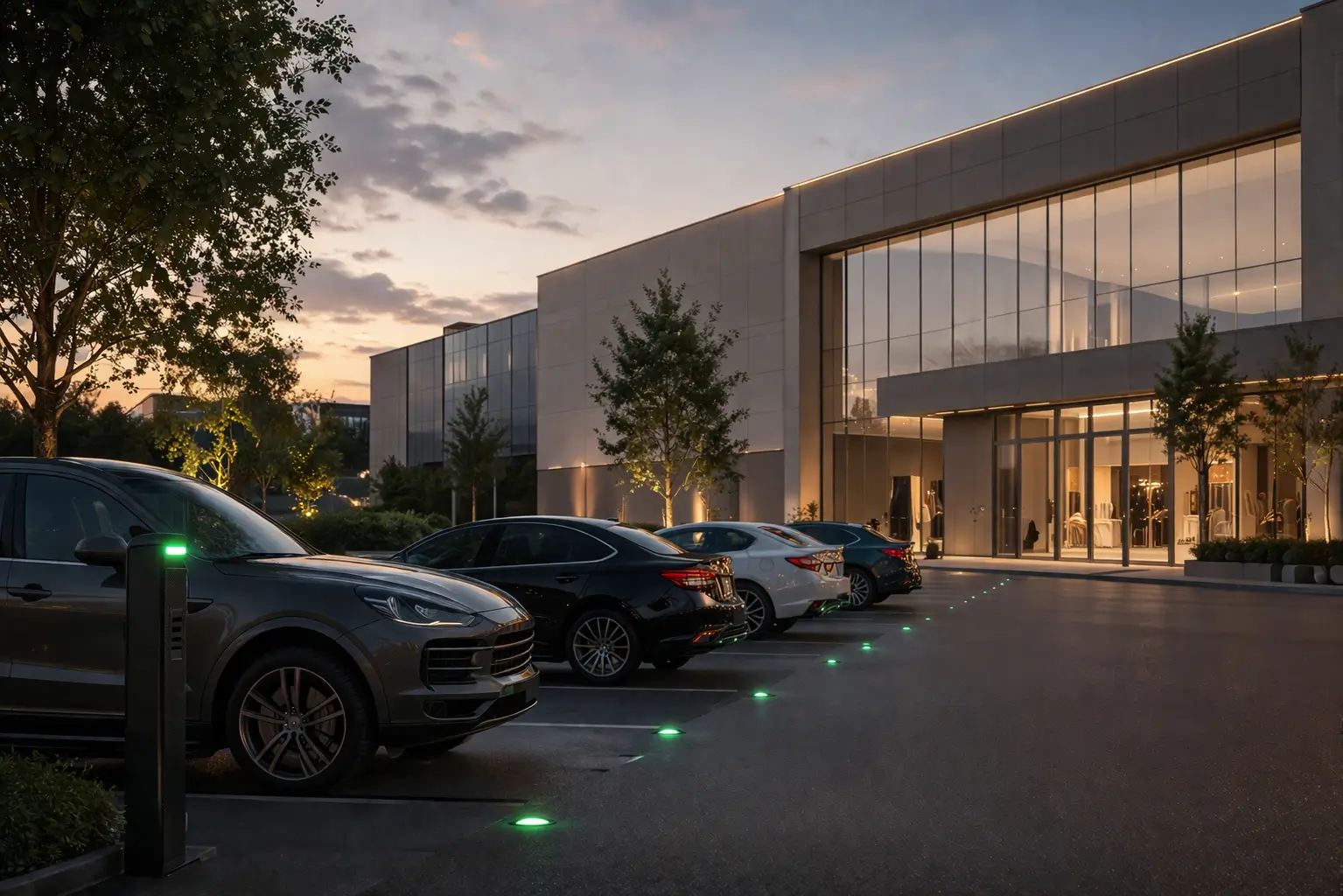
Advanced parking solutions to manage traffic, improve efficiency, and enhance visitor experience.
Introduction
In large commercial spaces such as malls and office complexes, parking is often the first and last point of interaction for visitors. When parking is unorganised, it creates delays, frustration, and directly affects customer experience.
A smart parking system helps manage high vehicle volumes efficiently by using automation, real-time data, and structured control. It not only improves traffic flow but also supports better security and revenue management.
Why Traditional Parking Systems Fall Short
Many commercial properties still rely on manual ticketing and basic entry control. While this may work during low traffic, it becomes inefficient during peak hours.
Some common issues include:
Long queues at entry and exit points
Time wasted in searching for parking spaces
Inaccurate or delayed billing
Lack of real-time monitoring
Difficulty in handling visitor traffic
These gaps often lead to poor space utilisation and operational inefficiencies.
What is a Smart Parking System
A smart parking system is a technology-driven setup that combines hardware and software to automate parking operations. It uses sensors, cameras, and centralized systems to monitor parking availability, manage vehicle movement, and streamline payments.
The focus is not just on automation, but on creating a smooth and predictable parking experience for users.
Key Components of a Smart Parking System
1. Automated Entry and Exit Control
Controlled entry points are essential for managing traffic flow. Boom barriers combined with RFID or number plate recognition systems allow vehicles to enter and exit without manual checks.
This reduces waiting time and ensures that only authorized or ticketed vehicles are allowed inside.
2. Real-Time Parking Space Detection
Sensors installed in parking slots help detect whether a space is occupied or vacant. This information is continuously updated and shared with the system.
It allows both operators and visitors to know exactly where parking is available.
3. Guidance and Display Systems
Digital signboards and directional indicators guide drivers toward available spaces. Instead of circling, drivers can move directly to free slots.
This significantly reduces internal traffic congestion within large parking areas.
4. Centralised Parking Management Software
The software acts as the operational backbone of the entire system. It collects and processes data from all devices and provides a single interface for monitoring.
Typical functions include:
Entry and exit tracking
Parking occupancy data
Billing and payment management
Reporting and analytics
This enables better control and decision-making for property managers.
5. Digital and Cashless Payment Systems
Modern parking setups support multiple payment options such as FASTag, QR codes, or mobile-based payments.
This reduces dependency on cash handling and speeds up the exit process, especially during peak hours.
Also read→
Why Every Residential Society Needs a Boom Barrier for Security Today
Types of Smart Parking Solutions for Commercial Use
Sensor-Based Parking Systems
These systems use ground or overhead sensors to monitor each parking slot. They are suitable for large parking areas where real-time availability tracking is important.
Camera-Based Systems (ANPR)
Automatic Number Plate Recognition systems identify vehicles using cameras. This allows seamless entry and exit without tickets or cards, making it suitable for premium properties.
RFID-Based Access Systems
RFID is commonly used for regular users such as employees in office buildings. It ensures quick access and reduces delays at entry points.
Automated Parking Systems
In areas with limited space, automated systems use mechanical lifts and structured layouts to park vehicles efficiently. These systems maximize space utilization but require higher initial investment.
Benefits of Smart Parking Systems
Improved Visitor Experience
Visitors can enter, park, and exit without unnecessary delays. This creates a positive impression and encourages repeat visits.
Reduced Congestion
Automation and guided navigation reduce queues and improve traffic flow inside and outside the premises.
Better Space Utilisation
Real-time monitoring ensures that every available space is used efficiently, reducing wastage.
Higher Revenue Control
Automated billing and tracking reduce revenue leakage and provide accurate transaction records.
Lower Operational Dependency
With fewer manual processes, the need for staff intervention decreases, resulting in lower operational costs over time.
How to Choose the Right System
Choosing the right parking solution depends on the nature of the property and expected traffic volume.
Property Size and Usage
Smaller commercial buildings may require basic automation, while large malls need a fully integrated system with sensors and software.
User Experience Expectations
Premium properties should focus on seamless and contactless solutions, while standard setups can prioritize efficiency and control.
Common Mistakes to Avoid
Installing systems without proper planning for peak traffic
Using standalone hardware without software integration
Ignoring scalability for future expansion
Lack of regular maintenance and support
Overlooking user experience in system design
Avoiding these mistakes ensures long-term performance and reliability.
Conclusion
A smart parking system for malls and commercial buildings is essential for handling modern traffic demands. It brings structure to parking operations, reduces congestion, and improves overall efficiency.
By combining automation, real-time monitoring, and user-friendly processes, commercial properties can offer a smooth and reliable parking experience while maintaining better control over operations.
When planning to upgrade your parking infrastructure, select a solution that is reliable, scalable, and specifically designed for high-traffic environments.
Get expert guidance and implement advanced parking systems with Parksmart to improve efficiency and deliver a better experience for your visitors.