Back
Can a Parking System Identify Cars Without Stopping Them?
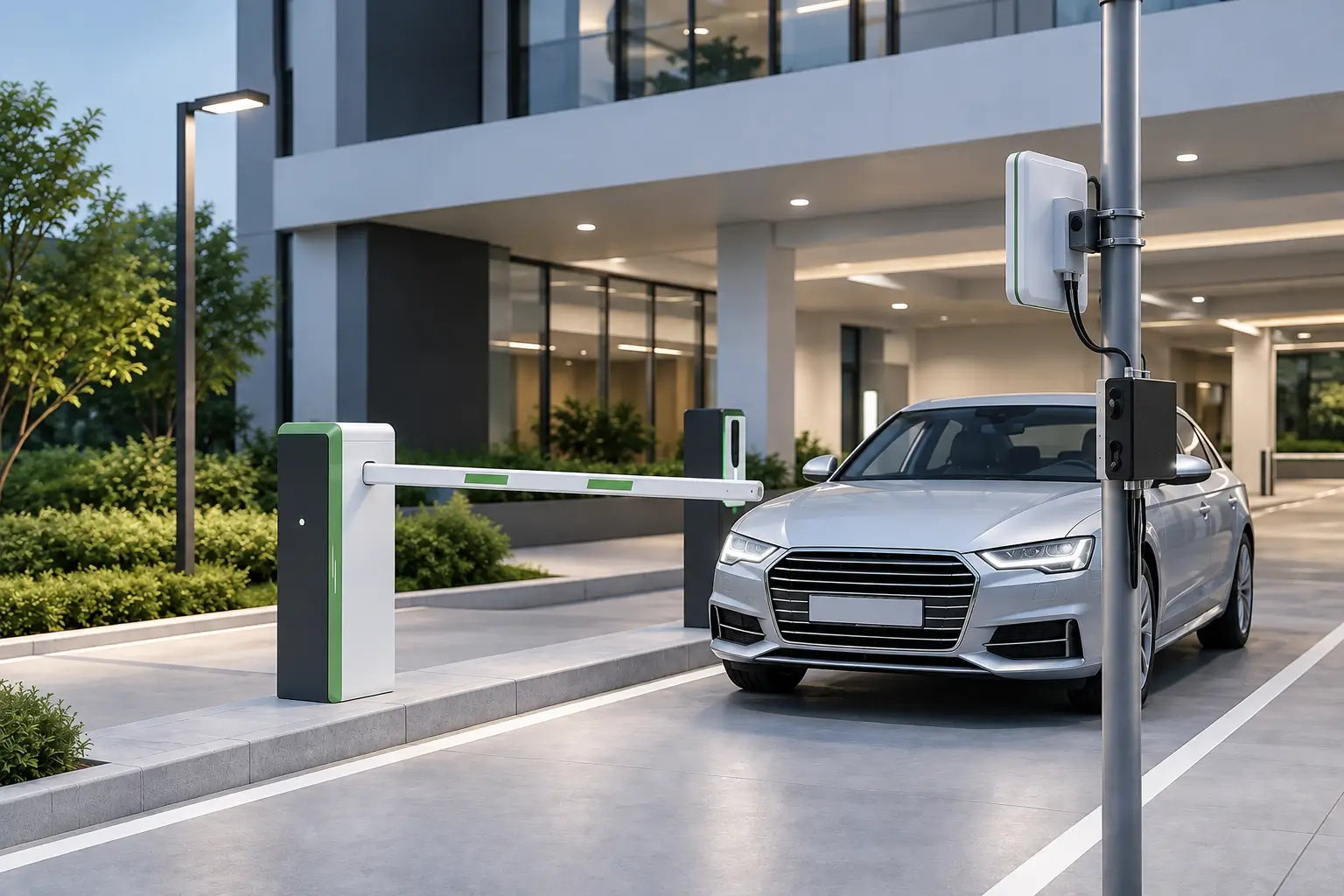
Learn how ANPR and RFID identify vehicles and automate parking gate access without manual checking.
Can a Parking System Identify a Car Without Stopping It?
Yes, a parking system can identify a car without asking the driver to stop at the gate.
This is possible with technologies such as ANPR and RFID.
These technologies can identify vehicles as they approach a parking gate. The system can then check the vehicle information and decide whether access should be allowed.
This can be useful at offices, IT parks, malls, residential societies, hotels and other places where many vehicles enter and leave every day.
How Can a Parking System Identify a Car Without Stopping It?
There are two common ways to identify a vehicle.
ANPR Camera
ANPR stands for Automatic Number Plate Recognition.
An ANPR camera is placed near the parking entrance or exit.
When a car approaches the gate, the camera captures its number plate.
The system reads the vehicle number and checks it against the available parking records.
If the vehicle is registered and has permission to enter, the system can allow access.
The driver does not have to get out of the car or manually give the vehicle number to security staff.
RFID
RFID uses a small RFID tag that is linked to a vehicle.
The tag can be placed on the vehicle.
When the car comes near the RFID reader, the reader detects the tag.
The parking system checks the tag and the vehicle information linked to it.
If access is allowed, the boom barrier can open.
RFID is especially useful for regular users such as employees and residents who use the same parking area every day.
Does the Car Need to Stop Completely?
Not necessarily.
The vehicle may slow down while approaching the gate, but it does not always need to stop for manual checking.
The actual speed depends on the parking layout, camera position, RFID reader setup, road conditions and gate design.
The system needs enough time and a suitable position to identify the vehicle correctly.
So, automatic identification can reduce the need for stopping and manual checking, but it does not mean that every vehicle can drive through the gate at any speed.
What Happens After the Car Is Identified?
The process can happen in a few steps.
The car approaches the parking gate.
ANPR reads the number plate or RFID detects the vehicle tag.
The parking system checks the vehicle record.
The system checks whether the vehicle has access.
The boom barrier opens if access is approved.
The vehicle enters the parking area.
The entry is recorded.
The same process can be used at the exit gate.
This creates a digital record of when the vehicle entered and left.
Can ANPR Identify Every Car?
ANPR can identify many vehicles, but the camera needs to get a clear view of the number plate.
Several things can affect number plate reading, such as:
Poor camera position
Dirty number plate
Damaged number plate
Very low light
Heavy rain
Vehicle moving too fast
Number plate being blocked
A proper camera position and suitable installation can help improve identification.
Can RFID Work Without a Vehicle Stopping?
Yes.
RFID is designed to identify a tagged vehicle when it comes within the reader's range.
The exact reading distance depends on the RFID equipment and installation.
For regular parking users, this can make entry and exit much easier.
Employees or residents do not need to show a card or manually provide their vehicle details every time.
ANPR vs RFID for Parking
Both technologies can identify vehicles, but they work differently.
ANPR:
Reads the vehicle number plate
Does not require an RFID tag
Useful for visitors
Can record vehicle entry and exit
Works well for vehicles that change regularly
RFID:
Uses an RFID tag
Useful for registered vehicles
Good for regular users
Provides quick vehicle identification
Can be connected with automatic gates
Many parking setups can use both technologies together.
What About Visitors?
Visitors usually do not have a permanent RFID tag.
This is where ANPR can be useful.
When a visitor's vehicle reaches the entrance, the ANPR camera can read the number plate.
The security team can check the visitor information according to the property's access rules.
The vehicle entry can then be recorded in the parking system.
This can reduce the need for security guards to manually write down every vehicle number.
Can It Work With a Boom Barrier?
Yes.
ANPR and RFID can be connected with an automatic boom barrier.
For example, an employee vehicle approaches the gate.
The RFID reader detects the employee's tag.
The system checks the access permission.
If access is approved, the boom barrier opens.
For a visitor vehicle, ANPR can read the number plate and the system can follow the visitor access process.
This creates an automatic vehicle access system.
Where Is Automatic Vehicle Identification Used?
Automatic vehicle identification can be useful in many places.
Common examples include:
Corporate offices
IT parks
Residential societies
Shopping malls
Hotels
Hospitals
Business campuses
Parking facilities
It is especially useful where many vehicles enter and leave during the day.
What Are the Benefits?
Identifying vehicles without manual checking can make parking operations easier.
Some common benefits include:
Less manual checking
Faster vehicle entry
Shorter queues
Digital vehicle records
Better access control
Easier vehicle tracking
Less work for security staff
The actual improvement depends on the parking layout and how the system is installed.
Also read→
Boom Barriers: Types, Features, Prices, and Applications
What Should You Check Before Installing It?
A parking system should be selected according to the type of vehicles and traffic at the property.
Check:
Number of vehicles per day
Entry and exit traffic
Number of gates
Vehicle speed near the gate
Number plate visibility
RFID requirements
ANPR requirements
Boom barrier setup
Visitor traffic
Parking software
Security requirements
A proper site assessment can help decide whether ANPR, RFID or both should be used.
Frequently Asked Questions
Can a parking system identify a car without stopping it?
Yes. ANPR can read the vehicle number plate and RFID can identify a vehicle using its RFID tag.
Does ANPR require an RFID tag?
No. ANPR identifies the vehicle using its number plate.
Is RFID useful for employee parking?
Yes. RFID is useful for regular users such as employees because their vehicle and RFID tag can be registered in advance.
Can visitors be identified without an RFID tag?
Yes. ANPR can read the visitor vehicle's number plate without requiring an RFID tag.
Can ANPR and RFID work together?
Yes. Many parking systems can use RFID for regular vehicles and ANPR for visitors or other vehicles.
Can the system open the boom barrier automatically?
Yes. When the vehicle is identified and access is approved, the parking system can send a signal to the automatic boom barrier.
Also read→
Types of Boom Barriers: Features, Uses and Applications
Conclusion
A parking system does not always need a car to stop for identification.
ANPR can read a vehicle number plate, while RFID can identify a registered vehicle using an RFID tag.
When connected with a boom barrier and parking software, these technologies can help automate vehicle entry and exit.
This can reduce manual checking, make vehicle records easier to manage and help reduce unnecessary waiting at parking gates.
The right setup depends on the type of vehicles, number of users, gate design and parking requirements.
Looking for Automatic Vehicle Identification?
If your parking gate handles a large number of vehicles every day, ANPR and RFID can help make vehicle identification faster and easier.
Choose the right combination based on your vehicle traffic, security needs and existing parking setup.
Can a Parking System Identify a Car Without Stopping It?
Yes, a parking system can identify a car without asking the driver to stop at the gate.
This is possible with technologies such as ANPR and RFID.
These technologies can identify vehicles as they approach a parking gate. The system can then check the vehicle information and decide whether access should be allowed.
This can be useful at offices, IT parks, malls, residential societies, hotels and other places where many vehicles enter and leave every day.
How Can a Parking System Identify a Car Without Stopping It?
There are two common ways to identify a vehicle.
ANPR Camera
ANPR stands for Automatic Number Plate Recognition.
An ANPR camera is placed near the parking entrance or exit.
When a car approaches the gate, the camera captures its number plate.
The system reads the vehicle number and checks it against the available parking records.
If the vehicle is registered and has permission to enter, the system can allow access.
The driver does not have to get out of the car or manually give the vehicle number to security staff.
RFID
RFID uses a small RFID tag that is linked to a vehicle.
The tag can be placed on the vehicle.
When the car comes near the RFID reader, the reader detects the tag.
The parking system checks the tag and the vehicle information linked to it.
If access is allowed, the boom barrier can open.
RFID is especially useful for regular users such as employees and residents who use the same parking area every day.
Does the Car Need to Stop Completely?
Not necessarily.
The vehicle may slow down while approaching the gate, but it does not always need to stop for manual checking.
The actual speed depends on the parking layout, camera position, RFID reader setup, road conditions and gate design.
The system needs enough time and a suitable position to identify the vehicle correctly.
So, automatic identification can reduce the need for stopping and manual checking, but it does not mean that every vehicle can drive through the gate at any speed.
What Happens After the Car Is Identified?
The process can happen in a few steps.
The car approaches the parking gate.
ANPR reads the number plate or RFID detects the vehicle tag.
The parking system checks the vehicle record.
The system checks whether the vehicle has access.
The boom barrier opens if access is approved.
The vehicle enters the parking area.
The entry is recorded.
The same process can be used at the exit gate.
This creates a digital record of when the vehicle entered and left.
Can ANPR Identify Every Car?
ANPR can identify many vehicles, but the camera needs to get a clear view of the number plate.
Several things can affect number plate reading, such as:
Poor camera position
Dirty number plate
Damaged number plate
Very low light
Heavy rain
Vehicle moving too fast
Number plate being blocked
A proper camera position and suitable installation can help improve identification.
Can RFID Work Without a Vehicle Stopping?
Yes.
RFID is designed to identify a tagged vehicle when it comes within the reader's range.
The exact reading distance depends on the RFID equipment and installation.
For regular parking users, this can make entry and exit much easier.
Employees or residents do not need to show a card or manually provide their vehicle details every time.
ANPR vs RFID for Parking
Both technologies can identify vehicles, but they work differently.
ANPR:
Reads the vehicle number plate
Does not require an RFID tag
Useful for visitors
Can record vehicle entry and exit
Works well for vehicles that change regularly
RFID:
Uses an RFID tag
Useful for registered vehicles
Good for regular users
Provides quick vehicle identification
Can be connected with automatic gates
Many parking setups can use both technologies together.
What About Visitors?
Visitors usually do not have a permanent RFID tag.
This is where ANPR can be useful.
When a visitor's vehicle reaches the entrance, the ANPR camera can read the number plate.
The security team can check the visitor information according to the property's access rules.
The vehicle entry can then be recorded in the parking system.
This can reduce the need for security guards to manually write down every vehicle number.
Can It Work With a Boom Barrier?
Yes.
ANPR and RFID can be connected with an automatic boom barrier.
For example, an employee vehicle approaches the gate.
The RFID reader detects the employee's tag.
The system checks the access permission.
If access is approved, the boom barrier opens.
For a visitor vehicle, ANPR can read the number plate and the system can follow the visitor access process.
This creates an automatic vehicle access system.
Where Is Automatic Vehicle Identification Used?
Automatic vehicle identification can be useful in many places.
Common examples include:
Corporate offices
IT parks
Residential societies
Shopping malls
Hotels
Hospitals
Business campuses
Parking facilities
It is especially useful where many vehicles enter and leave during the day.
What Are the Benefits?
Identifying vehicles without manual checking can make parking operations easier.
Some common benefits include:
Less manual checking
Faster vehicle entry
Shorter queues
Digital vehicle records
Better access control
Easier vehicle tracking
Less work for security staff
The actual improvement depends on the parking layout and how the system is installed.
Also read→
Boom Barriers: Types, Features, Prices, and Applications
What Should You Check Before Installing It?
A parking system should be selected according to the type of vehicles and traffic at the property.
Check:
Number of vehicles per day
Entry and exit traffic
Number of gates
Vehicle speed near the gate
Number plate visibility
RFID requirements
ANPR requirements
Boom barrier setup
Visitor traffic
Parking software
Security requirements
A proper site assessment can help decide whether ANPR, RFID or both should be used.
Frequently Asked Questions
Can a parking system identify a car without stopping it?
Yes. ANPR can read the vehicle number plate and RFID can identify a vehicle using its RFID tag.
Does ANPR require an RFID tag?
No. ANPR identifies the vehicle using its number plate.
Is RFID useful for employee parking?
Yes. RFID is useful for regular users such as employees because their vehicle and RFID tag can be registered in advance.
Can visitors be identified without an RFID tag?
Yes. ANPR can read the visitor vehicle's number plate without requiring an RFID tag.
Can ANPR and RFID work together?
Yes. Many parking systems can use RFID for regular vehicles and ANPR for visitors or other vehicles.
Can the system open the boom barrier automatically?
Yes. When the vehicle is identified and access is approved, the parking system can send a signal to the automatic boom barrier.
Also read→
Types of Boom Barriers: Features, Uses and Applications
Conclusion
A parking system does not always need a car to stop for identification.
ANPR can read a vehicle number plate, while RFID can identify a registered vehicle using an RFID tag.
When connected with a boom barrier and parking software, these technologies can help automate vehicle entry and exit.
This can reduce manual checking, make vehicle records easier to manage and help reduce unnecessary waiting at parking gates.
The right setup depends on the type of vehicles, number of users, gate design and parking requirements.
Looking for Automatic Vehicle Identification?
If your parking gate handles a large number of vehicles every day, ANPR and RFID can help make vehicle identification faster and easier.
Choose the right combination based on your vehicle traffic, security needs and existing parking setup.

Automated Gate Access & Parking Revenue Optimization
Eliminate manual errors and stop revenue leakage with automated RFID boom barriers, live occupancy tracking, and multi-mode POS payment processing for commercial properties.
144,200
+
Cars Managed by ParkSmart
110,100
+
Transactions Processed Daily
2,900
+
Parking Locations Integrated
299,100
+
Satisified Users
Increase Efficiency, Maximize Profit
Eliminate manual errors and stop revenue leakage with automated RFID boom barriers, live occupancy tracking, and multi-mode POS payment processing for commercial properties.
144,200
+
Cars Managed by ParkSmart
110,100
+
Transactions Processed Daily
2,900
+
Parking Locations Integrated
299,100
+
Satisified Users
Automated Gate Access & Parking Revenue Optimization
Eliminate manual errors and stop revenue leakage with automated RFID boom barriers, live occupancy tracking, and multi-mode POS payment processing for commercial properties.
144,200
+
Cars Managed by ParkSmart
110,100
+
Transactions Processed Daily
2,900
+
Parking Locations Integrated
299,100
+
Satisified Users
