Back
RFID for Employees and ANPR for Visitors in Office Parking
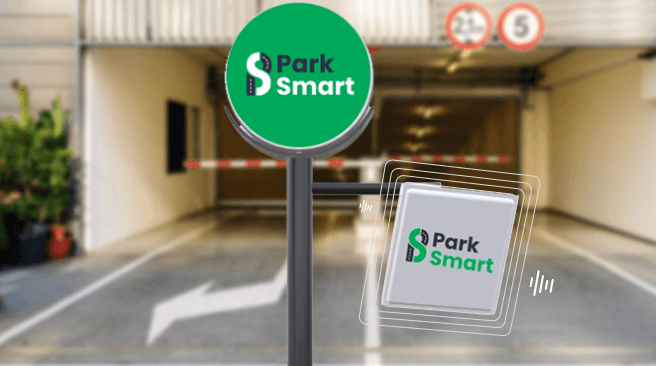
Learn how RFID for employees and ANPR for visitors can improve parking access, security, and daily operations.
RFID for Employees, ANPR for Visitors: The Ideal Office Parking Setup
Office parking can become difficult when hundreds of employees and visitors enter and leave every day.
Employees usually arrive at similar times and need regular access. Visitors may come for meetings, interviews, deliveries or events.
Using the same parking process for everyone can create queues and extra work for security staff.
A better approach is to use RFID for employees and ANPR for visitors. Both technologies can work together to make office parking faster, more organised and easier to monitor.
Why Employees and Visitors Need Different Parking Access
Employees use the parking facility regularly. Their vehicles can be registered in advance, so there is usually no need to verify them manually every time.
Visitors are different. Their access may depend on the person they are visiting, the date, time or purpose of the visit.
Managing both groups through one manual process can slow down the entrance.
This is where RFID and ANPR can be used for different purposes.
How RFID Works for Employees
RFID stands for Radio Frequency Identification.
An RFID tag can be assigned to an employee or their registered vehicle. When the vehicle reaches the entrance, the RFID reader detects the tag.
If the access is authorised, the parking system can allow the vehicle to enter.
The entry can also be recorded digitally.
For employees who use the office parking every day, this can reduce manual checking and make entry more convenient.
Benefits of RFID for Employees
RFID can help with:
Faster daily entry
Automated vehicle identification
Employee access control
Digital entry and exit records
Less manual work for security staff
How ANPR Works for Visitors
ANPR stands for Automatic Number Plate Recognition.
It uses cameras to capture and read a vehicle's number plate.
For visitor parking, the vehicle number can be checked against visitor or access records.
For example, a visitor may have a pre-approved appointment. When the vehicle reaches the entrance, the ANPR camera can identify the number plate and the system can check the available visitor information.
This reduces the need for security staff to manually write down vehicle numbers.
RFID vs ANPR for Office Parking
RFID and ANPR are not necessarily competing technologies.
They can be used together because they solve different parking requirements.
RFID | ANPR |
Useful for regular employees | Useful for visitors |
Uses an RFID tag | Uses the vehicle number plate |
Good for registered users | Useful for temporary access |
Reader-based identification | Camera-based identification |
Suitable for daily access | Suitable for visitor monitoring |
The right setup depends on the size of the office, traffic volume and access rules.
How a Combined Office Parking Setup Works
A simple setup can work like this:
Employee Entry:
The employee approaches the entrance. The RFID reader identifies the registered tag and checks access permission. If approved, the vehicle can enter and the transaction is recorded.
Visitor Entry:
The visitor arrives at the entrance. The ANPR camera reads the number plate and checks the vehicle against the visitor records or access rules.
Exit:
The vehicle is identified again at the exit, and the system records the exit information.
This creates a digital record of vehicle movement without depending completely on manual registers.
Benefits of Using RFID and ANPR Together
A combined setup can provide several benefits for office parking.
Faster Entry
Regular employees can enter without going through the same manual verification process every day.
Better Visitor Management
Visitor vehicles can be identified and monitored separately from employee vehicles.
Improved Security
Digital vehicle records can help security teams understand which vehicles entered and exited the premises.
Less Manual Work
Security staff can spend less time recording vehicle information manually.
Better Parking Visibility
Management can get a clearer picture of parking activity and vehicle movement.
What Should Offices Consider?
Technology alone does not solve every parking problem.
Before implementing RFID and ANPR, offices should look at:
Number of employees
Daily visitor volume
Peak entry and exit times
Number of parking spaces
Entry and exit lanes
Security requirements
Visitor approval process
Employee vehicle registration
Existing parking barriers
Reporting requirements
The system should match the actual parking environment instead of adding unnecessary steps.
Frequently Asked Questions
Is RFID better for employee parking?
RFID is a practical option for employees because their vehicles are usually registered and need regular access.
Is ANPR good for visitor parking?
Yes. ANPR can identify vehicles using their number plates and can be useful for temporary or visitor access.
Can RFID and ANPR work together?
Yes. RFID can manage regular employee access while ANPR can help identify and manage visitor vehicles.
Does ANPR need an RFID tag?
No. ANPR identifies vehicles through their number plates using cameras.
What is the best office parking system?
There is no single setup for every office. The right solution depends on vehicle volume, access requirements, security needs and parking layout.
Conclusion
Employee and visitor parking have different requirements.
Employees need quick and reliable daily access, while visitors need controlled and temporary access.
Using RFID for employees and ANPR for visitors can help offices manage both groups more efficiently.
RFID simplifies regular access, while ANPR helps identify visitor vehicles through their number plates.
When combined with proper access control and parking management, these technologies can reduce manual work, improve security and create a smoother office parking experience.
RFID for Employees, ANPR for Visitors: The Ideal Office Parking Setup
Office parking can become difficult when hundreds of employees and visitors enter and leave every day.
Employees usually arrive at similar times and need regular access. Visitors may come for meetings, interviews, deliveries or events.
Using the same parking process for everyone can create queues and extra work for security staff.
A better approach is to use RFID for employees and ANPR for visitors. Both technologies can work together to make office parking faster, more organised and easier to monitor.
Why Employees and Visitors Need Different Parking Access
Employees use the parking facility regularly. Their vehicles can be registered in advance, so there is usually no need to verify them manually every time.
Visitors are different. Their access may depend on the person they are visiting, the date, time or purpose of the visit.
Managing both groups through one manual process can slow down the entrance.
This is where RFID and ANPR can be used for different purposes.
How RFID Works for Employees
RFID stands for Radio Frequency Identification.
An RFID tag can be assigned to an employee or their registered vehicle. When the vehicle reaches the entrance, the RFID reader detects the tag.
If the access is authorised, the parking system can allow the vehicle to enter.
The entry can also be recorded digitally.
For employees who use the office parking every day, this can reduce manual checking and make entry more convenient.
Benefits of RFID for Employees
RFID can help with:
Faster daily entry
Automated vehicle identification
Employee access control
Digital entry and exit records
Less manual work for security staff
How ANPR Works for Visitors
ANPR stands for Automatic Number Plate Recognition.
It uses cameras to capture and read a vehicle's number plate.
For visitor parking, the vehicle number can be checked against visitor or access records.
For example, a visitor may have a pre-approved appointment. When the vehicle reaches the entrance, the ANPR camera can identify the number plate and the system can check the available visitor information.
This reduces the need for security staff to manually write down vehicle numbers.
RFID vs ANPR for Office Parking
RFID and ANPR are not necessarily competing technologies.
They can be used together because they solve different parking requirements.
RFID | ANPR |
Useful for regular employees | Useful for visitors |
Uses an RFID tag | Uses the vehicle number plate |
Good for registered users | Useful for temporary access |
Reader-based identification | Camera-based identification |
Suitable for daily access | Suitable for visitor monitoring |
The right setup depends on the size of the office, traffic volume and access rules.
How a Combined Office Parking Setup Works
A simple setup can work like this:
Employee Entry:
The employee approaches the entrance. The RFID reader identifies the registered tag and checks access permission. If approved, the vehicle can enter and the transaction is recorded.
Visitor Entry:
The visitor arrives at the entrance. The ANPR camera reads the number plate and checks the vehicle against the visitor records or access rules.
Exit:
The vehicle is identified again at the exit, and the system records the exit information.
This creates a digital record of vehicle movement without depending completely on manual registers.
Benefits of Using RFID and ANPR Together
A combined setup can provide several benefits for office parking.
Faster Entry
Regular employees can enter without going through the same manual verification process every day.
Better Visitor Management
Visitor vehicles can be identified and monitored separately from employee vehicles.
Improved Security
Digital vehicle records can help security teams understand which vehicles entered and exited the premises.
Less Manual Work
Security staff can spend less time recording vehicle information manually.
Better Parking Visibility
Management can get a clearer picture of parking activity and vehicle movement.
What Should Offices Consider?
Technology alone does not solve every parking problem.
Before implementing RFID and ANPR, offices should look at:
Number of employees
Daily visitor volume
Peak entry and exit times
Number of parking spaces
Entry and exit lanes
Security requirements
Visitor approval process
Employee vehicle registration
Existing parking barriers
Reporting requirements
The system should match the actual parking environment instead of adding unnecessary steps.
Frequently Asked Questions
Is RFID better for employee parking?
RFID is a practical option for employees because their vehicles are usually registered and need regular access.
Is ANPR good for visitor parking?
Yes. ANPR can identify vehicles using their number plates and can be useful for temporary or visitor access.
Can RFID and ANPR work together?
Yes. RFID can manage regular employee access while ANPR can help identify and manage visitor vehicles.
Does ANPR need an RFID tag?
No. ANPR identifies vehicles through their number plates using cameras.
What is the best office parking system?
There is no single setup for every office. The right solution depends on vehicle volume, access requirements, security needs and parking layout.
Conclusion
Employee and visitor parking have different requirements.
Employees need quick and reliable daily access, while visitors need controlled and temporary access.
Using RFID for employees and ANPR for visitors can help offices manage both groups more efficiently.
RFID simplifies regular access, while ANPR helps identify visitor vehicles through their number plates.
When combined with proper access control and parking management, these technologies can reduce manual work, improve security and create a smoother office parking experience.

Automated Gate Access & Parking Revenue Optimization
Eliminate manual errors and stop revenue leakage with automated RFID boom barriers, live occupancy tracking, and multi-mode POS payment processing for commercial properties.
144,200
+
Cars Managed by ParkSmart
110,100
+
Transactions Processed Daily
2,900
+
Parking Locations Integrated
299,100
+
Satisified Users
Increase Efficiency, Maximize Profit
Eliminate manual errors and stop revenue leakage with automated RFID boom barriers, live occupancy tracking, and multi-mode POS payment processing for commercial properties.
144,200
+
Cars Managed by ParkSmart
110,100
+
Transactions Processed Daily
2,900
+
Parking Locations Integrated
299,100
+
Satisified Users
Automated Gate Access & Parking Revenue Optimization
Eliminate manual errors and stop revenue leakage with automated RFID boom barriers, live occupancy tracking, and multi-mode POS payment processing for commercial properties.
144,200
+
Cars Managed by ParkSmart
110,100
+
Transactions Processed Daily
2,900
+
Parking Locations Integrated
299,100
+
Satisified Users
