Back
How RFID Parking Systems Reduce Parking Revenue Leakage
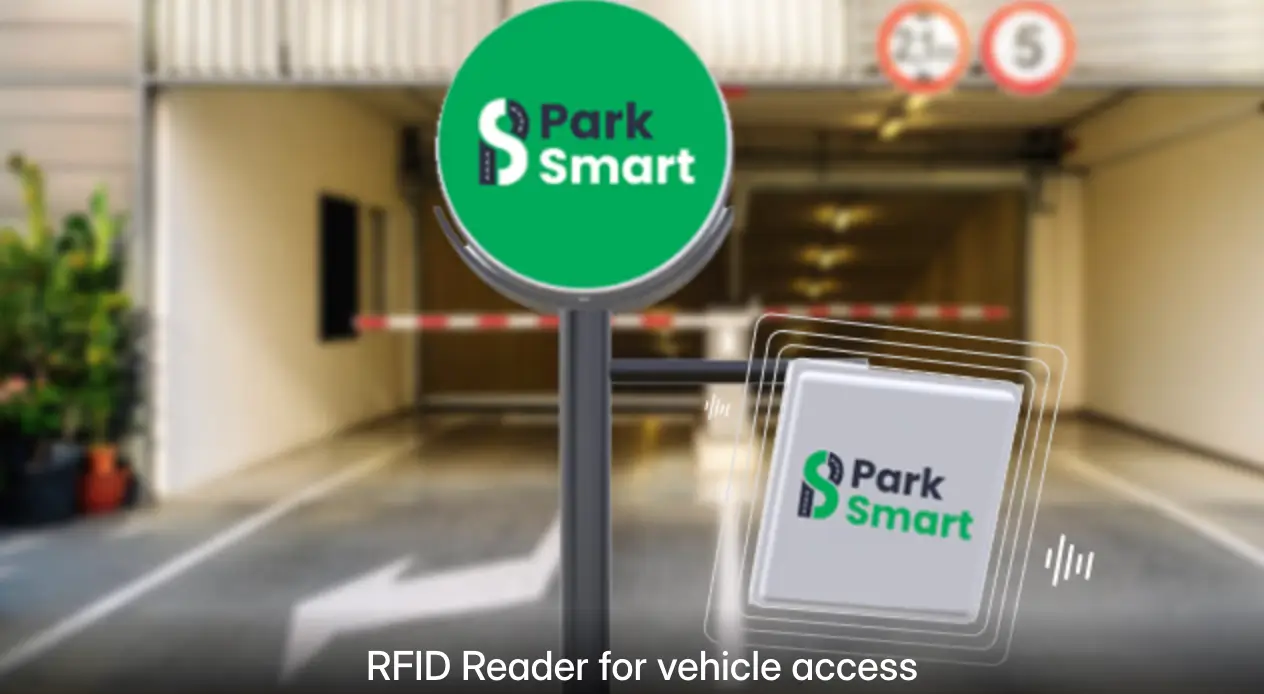
How RFID Technology Improves Parking Revenue Tracking and Vehicle Access Control
Benefits of RFID Parking Systems for Revenue Protection
Ask any facility manager what causes parking revenue loss, and most will immediately think about cash handling issues. While cash collection can certainly create problems, it is rarely the only reason parking revenue goes missing.
In many commercial properties, the real issue starts much earlier—at the gate itself.
A vehicle enters without being properly recorded. A parking pass is checked manually but not logged. During peak hours, security staff focus on clearing traffic rather than maintaining accurate records. These small gaps may seem harmless at the time, but they can make it difficult for management teams to know exactly how many vehicles used the facility and whether parking collections match actual traffic.
This is one of the reasons RFID parking systems have become increasingly popular across malls, IT parks, hospitals, corporate offices, and residential communities. Beyond improving convenience, RFID technology helps create a more reliable record of vehicle movement, making revenue tracking significantly easier.
What Is an RFID Parking System?
RFID stands for Radio Frequency Identification.
In a parking setup, an RFID tag is attached to a vehicle. When the vehicle approaches an entry or exit point, an RFID reader automatically detects the tag and verifies whether the vehicle is authorized.
If access is approved, the system records the event and opens the boom barrier automatically.
The entire process takes only a few seconds and removes the need for manual verification in most situations.
For regular users such as residents, employees, or monthly parking subscribers, the experience becomes almost seamless.
Why Revenue Leakage Happens in Traditional Parking Systems
Many parking facilities still depend on manual processes for vehicle verification and record keeping.
This approach works reasonably well when vehicle traffic is low. Problems begin when hundreds or thousands of vehicles start moving through the property every day.
Missed Vehicle Entries
During busy periods, security teams often prioritize traffic flow.
When long queues form at the gate, vehicle verification may become inconsistent. If a vehicle enters without a proper digital record, tracking that transaction later becomes difficult.
Manual Record-Keeping
Paper registers and handwritten logs are still used in many locations.
The challenge is that manual records can be incomplete, difficult to verify, and time-consuming to audit. Even minor errors can create discrepancies between vehicle counts and parking collections.
Dependence on Human Verification
Traditional systems rely heavily on guards checking vehicle stickers, passes, or access credentials.
While security personnel play an important role, manual verification always carries the risk of oversight, especially during peak traffic hours.
Limited Operational Visibility
Many property owners know how much revenue has been collected but have limited visibility into how many vehicles actually entered the facility.
Without accurate vehicle data, identifying operational gaps becomes much harder.
Also read→
Boom Barriers: Types, Features, Prices, and Applications
How RFID Helps Reduce Revenue Leakage
RFID systems improve accountability by creating an automatic digital record whenever a tagged vehicle enters or exits.
Automatic Vehicle Identification
One of the biggest advantages of RFID is consistency.
Unlike manual systems, RFID readers do not become distracted during busy periods. Every authorized vehicle is detected and recorded automatically.
This significantly reduces the chances of missed vehicle records.
Better Tracking Accuracy
Because every transaction is stored digitally, management teams gain access to more reliable parking data.
Instead of depending on handwritten logs, they can review actual vehicle movement records whenever required.
Improved Revenue Reconciliation
Matching vehicle counts with parking collections becomes much easier when accurate traffic records are available.
This helps management identify unusual discrepancies and investigate them more efficiently.
Reduced Dependence on Manual Processes
RFID removes many repetitive verification tasks that traditionally depend on staff members.
As a result, operational consistency improves while the possibility of human error decreases.
A Real-World Scenario
Imagine a business park that handles around 1,500 vehicle movements every day.
Under a manual system, even a small percentage of unrecorded entries can affect reporting accuracy. If only a few vehicles are missed during every shift, the discrepancy may remain unnoticed for weeks.
Now consider the same property using RFID access control.
Each registered vehicle is automatically identified at the gate. Entry and exit times are recorded instantly, creating a complete digital trail.
Management no longer needs to rely solely on manual logs when reviewing parking operations.
Additional Benefits Beyond Revenue Protection
While reducing revenue leakage is a major advantage, RFID systems provide several operational benefits as well.
Faster Entry and Exit
Regular users do not need to stop for lengthy verification procedures.
This helps reduce queues and improves traffic flow during busy periods.
Better User Experience
Residents, employees, and frequent visitors appreciate faster access.
A smoother entry process often leads to fewer complaints and a better overall experience.
Stronger Access Control
RFID systems allow management teams to control exactly which vehicles can enter specific areas.
This improves both security and operational discipline.
Valuable Operational Insights
Many RFID platforms provide reporting tools that help management analyze:
Vehicle volume
Peak traffic hours
Access activity
Occupancy trends
Historical vehicle records
These insights support better planning and decision-making.
Where RFID Parking Systems Are Commonly Used?
RFID technology is widely used in:
Residential societies
IT parks
Corporate offices
Commercial complexes
Hospitals
Educational campuses
Industrial facilities
Any property that manages recurring vehicle traffic can benefit from automated vehicle identification.
Things to Evaluate Before Installation
Before implementing an RFID parking system, management teams should review:
Daily vehicle volume
Number of access points
Existing boom barrier infrastructure
Visitor management requirements
Reporting expectations
Future growth plans
The most effective solution depends on the property's operational needs and traffic patterns.
Also read→
How to Check Vehicle Owner Details Online by Number Plate
Conclusion
Parking revenue leakage rarely happens because of a single major issue. More often, it develops through small operational gaps that accumulate over time.
Missed entries, incomplete records, and limited visibility can make it difficult for management teams to understand exactly how parking operations are performing.
RFID parking systems address these challenges by creating accurate, automatic vehicle records without depending entirely on manual verification. Along with improving revenue visibility, they also help streamline access control, improve traffic flow, and provide better operational insights.
Benefits of RFID Parking Systems for Revenue Protection
Ask any facility manager what causes parking revenue loss, and most will immediately think about cash handling issues. While cash collection can certainly create problems, it is rarely the only reason parking revenue goes missing.
In many commercial properties, the real issue starts much earlier—at the gate itself.
A vehicle enters without being properly recorded. A parking pass is checked manually but not logged. During peak hours, security staff focus on clearing traffic rather than maintaining accurate records. These small gaps may seem harmless at the time, but they can make it difficult for management teams to know exactly how many vehicles used the facility and whether parking collections match actual traffic.
This is one of the reasons RFID parking systems have become increasingly popular across malls, IT parks, hospitals, corporate offices, and residential communities. Beyond improving convenience, RFID technology helps create a more reliable record of vehicle movement, making revenue tracking significantly easier.
What Is an RFID Parking System?
RFID stands for Radio Frequency Identification.
In a parking setup, an RFID tag is attached to a vehicle. When the vehicle approaches an entry or exit point, an RFID reader automatically detects the tag and verifies whether the vehicle is authorized.
If access is approved, the system records the event and opens the boom barrier automatically.
The entire process takes only a few seconds and removes the need for manual verification in most situations.
For regular users such as residents, employees, or monthly parking subscribers, the experience becomes almost seamless.
Why Revenue Leakage Happens in Traditional Parking Systems
Many parking facilities still depend on manual processes for vehicle verification and record keeping.
This approach works reasonably well when vehicle traffic is low. Problems begin when hundreds or thousands of vehicles start moving through the property every day.
Missed Vehicle Entries
During busy periods, security teams often prioritize traffic flow.
When long queues form at the gate, vehicle verification may become inconsistent. If a vehicle enters without a proper digital record, tracking that transaction later becomes difficult.
Manual Record-Keeping
Paper registers and handwritten logs are still used in many locations.
The challenge is that manual records can be incomplete, difficult to verify, and time-consuming to audit. Even minor errors can create discrepancies between vehicle counts and parking collections.
Dependence on Human Verification
Traditional systems rely heavily on guards checking vehicle stickers, passes, or access credentials.
While security personnel play an important role, manual verification always carries the risk of oversight, especially during peak traffic hours.
Limited Operational Visibility
Many property owners know how much revenue has been collected but have limited visibility into how many vehicles actually entered the facility.
Without accurate vehicle data, identifying operational gaps becomes much harder.
Also read→
Boom Barriers: Types, Features, Prices, and Applications
How RFID Helps Reduce Revenue Leakage
RFID systems improve accountability by creating an automatic digital record whenever a tagged vehicle enters or exits.
Automatic Vehicle Identification
One of the biggest advantages of RFID is consistency.
Unlike manual systems, RFID readers do not become distracted during busy periods. Every authorized vehicle is detected and recorded automatically.
This significantly reduces the chances of missed vehicle records.
Better Tracking Accuracy
Because every transaction is stored digitally, management teams gain access to more reliable parking data.
Instead of depending on handwritten logs, they can review actual vehicle movement records whenever required.
Improved Revenue Reconciliation
Matching vehicle counts with parking collections becomes much easier when accurate traffic records are available.
This helps management identify unusual discrepancies and investigate them more efficiently.
Reduced Dependence on Manual Processes
RFID removes many repetitive verification tasks that traditionally depend on staff members.
As a result, operational consistency improves while the possibility of human error decreases.
A Real-World Scenario
Imagine a business park that handles around 1,500 vehicle movements every day.
Under a manual system, even a small percentage of unrecorded entries can affect reporting accuracy. If only a few vehicles are missed during every shift, the discrepancy may remain unnoticed for weeks.
Now consider the same property using RFID access control.
Each registered vehicle is automatically identified at the gate. Entry and exit times are recorded instantly, creating a complete digital trail.
Management no longer needs to rely solely on manual logs when reviewing parking operations.
Additional Benefits Beyond Revenue Protection
While reducing revenue leakage is a major advantage, RFID systems provide several operational benefits as well.
Faster Entry and Exit
Regular users do not need to stop for lengthy verification procedures.
This helps reduce queues and improves traffic flow during busy periods.
Better User Experience
Residents, employees, and frequent visitors appreciate faster access.
A smoother entry process often leads to fewer complaints and a better overall experience.
Stronger Access Control
RFID systems allow management teams to control exactly which vehicles can enter specific areas.
This improves both security and operational discipline.
Valuable Operational Insights
Many RFID platforms provide reporting tools that help management analyze:
Vehicle volume
Peak traffic hours
Access activity
Occupancy trends
Historical vehicle records
These insights support better planning and decision-making.
Where RFID Parking Systems Are Commonly Used?
RFID technology is widely used in:
Residential societies
IT parks
Corporate offices
Commercial complexes
Hospitals
Educational campuses
Industrial facilities
Any property that manages recurring vehicle traffic can benefit from automated vehicle identification.
Things to Evaluate Before Installation
Before implementing an RFID parking system, management teams should review:
Daily vehicle volume
Number of access points
Existing boom barrier infrastructure
Visitor management requirements
Reporting expectations
Future growth plans
The most effective solution depends on the property's operational needs and traffic patterns.
Also read→
How to Check Vehicle Owner Details Online by Number Plate
Conclusion
Parking revenue leakage rarely happens because of a single major issue. More often, it develops through small operational gaps that accumulate over time.
Missed entries, incomplete records, and limited visibility can make it difficult for management teams to understand exactly how parking operations are performing.
RFID parking systems address these challenges by creating accurate, automatic vehicle records without depending entirely on manual verification. Along with improving revenue visibility, they also help streamline access control, improve traffic flow, and provide better operational insights.

Automated Gate Access & Parking Revenue Optimization
Eliminate manual errors and stop revenue leakage with automated RFID boom barriers, live occupancy tracking, and multi-mode POS payment processing for commercial properties.
144,200
+
Cars Managed by ParkSmart
110,100
+
Transactions Processed Daily
2,900
+
Parking Locations Integrated
299,100
+
Satisified Users
Increase Efficiency, Maximize Profit
Eliminate manual errors and stop revenue leakage with automated RFID boom barriers, live occupancy tracking, and multi-mode POS payment processing for commercial properties.
144,200
+
Cars Managed by ParkSmart
110,100
+
Transactions Processed Daily
2,900
+
Parking Locations Integrated
299,100
+
Satisified Users
Automated Gate Access & Parking Revenue Optimization
Eliminate manual errors and stop revenue leakage with automated RFID boom barriers, live occupancy tracking, and multi-mode POS payment processing for commercial properties.
144,200
+
Cars Managed by ParkSmart
110,100
+
Transactions Processed Daily
2,900
+
Parking Locations Integrated
299,100
+
Satisified Users
