Back
Temporary vs Permanent Vehicle Registration: Key Differences in India
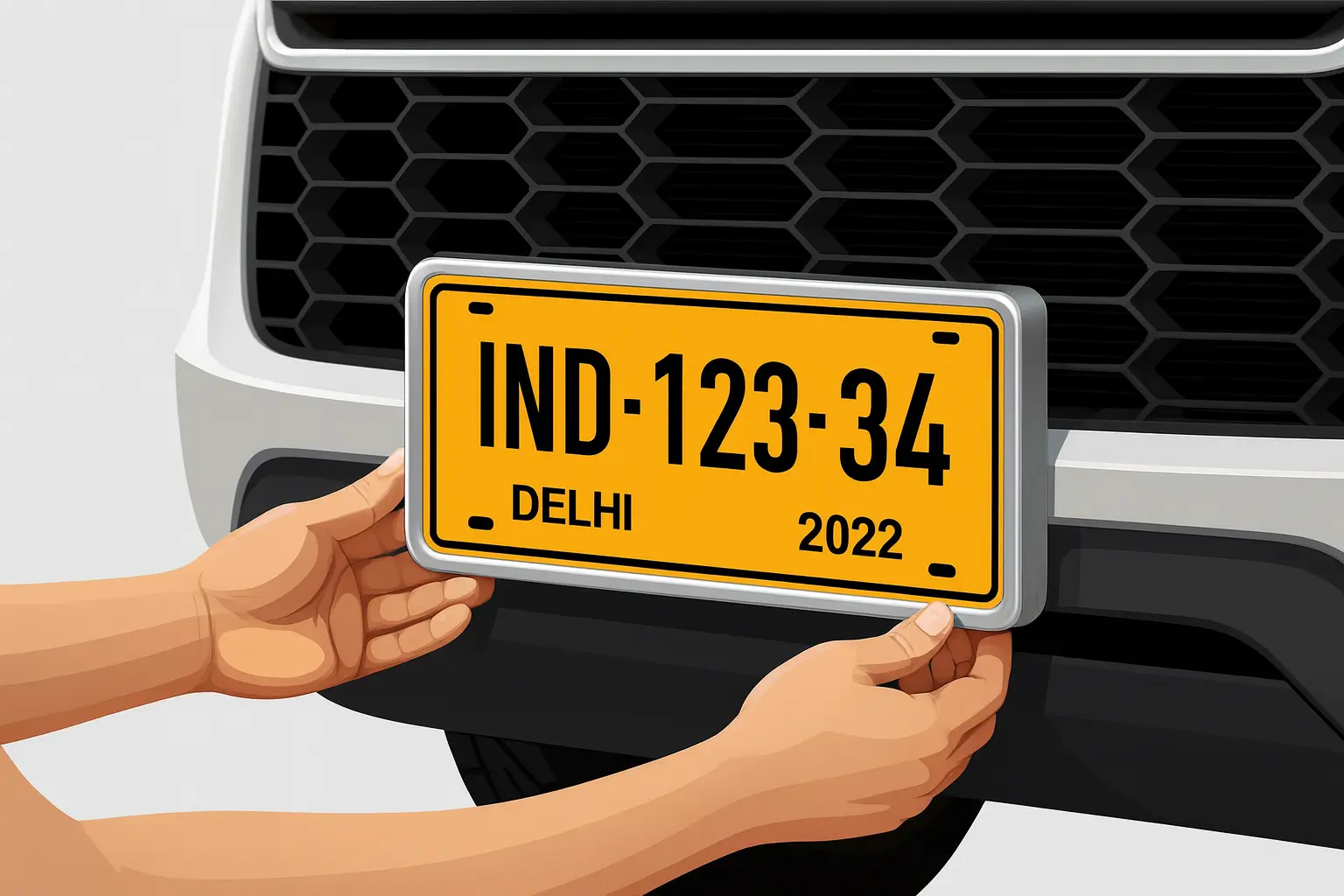
Understand key differences between temporary and permanent registration for vehicles in India.
Every vehicle in India must be registered with the Regional Transport Office (RTO) before it can be driven legally on public roads. Yet, many new vehicle owners feel confused when they hear the terms Temporary Registration and Permanent Registration used interchangeably. Although they seem similar on paper, both serve very different purposes in the vehicle registration process.
This guide explains the key differences between temporary and permanent registration, why both exist, who requires them, and what can happen if the process is not completed properly.
Why Vehicle Registration Is Mandatory in India
Under the Motor Vehicles Act, no motor vehicle can be used on a public road unless it is registered with an official registration number issued by the RTO. Registration connects the vehicle to its owner and creates a government record for:
Road safety monitoring
Law enforcement and challan tracking
Ownership verification during resale
Insurance and accident claims
Theft detection and recovery
Without proper registration, a vehicle is considered illegal on Indian roads, even if it is brand new.
What is Temporary Registration?
Temporary Registration is a short-term registration number provided when a vehicle is newly purchased but has not yet been registered permanently with the RTO.
It is usually arranged by the dealership at the time of delivery. This number allows the vehicle to be driven legally for a limited period only, mostly for transport and registration purposes.
Main Purpose of Temporary Registration
Temporary registration exists for practical reasons, such as:
Driving the new vehicle from the showroom to home
Allowing time to collect documents
Giving the owner time to apply for a permanent number
Transporting the vehicle to another city or state for registration
This registration does not mean full ownership approval by the RTO.
Validity of Temporary Registration
Temporary registration is generally valid for up to 30 days from the date of issue. In special cases (such as vehicle movement between states), it may be extended, but only with RTO approval.
Once this period ends, the vehicle must not be driven unless permanent registration is completed.
Driving after the temporary registration expires can attract penalties, fines, or even vehicle seizure in some regions.
What is Permanent Registration?
Permanent registration is the official and final registration of the vehicle under your name with the RTO. After this process, your vehicle is assigned a permanent registration number (like DL, MH, UP, followed by digits).
This number remains with the vehicle for its entire life unless it is re-registered in another state.
Key Purpose of Permanent Registration
Permanent registration provides:
Legal right to use the vehicle on roads
A lifelong identity number for the vehicle
Entry of ownership details in official government records
Eligibility for resale, loan closure, insurance renewal and transfers
Without permanent registration, your vehicle is not legally recognised for long-term use.
Documents Required for Permanent Registration
To convert your temporary registration into a permanent one, you must submit:
Temporary Registration Certificate
Sales invoice for the vehicle
Insurance certificate
Form 20, 21, 22 (provided by dealer)
Pollution Under Control (PUC) certificate (if required)
Address proof and identity proof
Applicable road tax payment receipt
The RTO may also physically inspect the vehicle before approving registration.
Major Differences in Practical Terms
Although both registrations are linked, their roles are completely different in real life:
Temporary registration is only a short-term permission, while permanent registration is a legal and lifetime authorisation.
Temporary numbers are usually in a different format (often starting with “TR”), whereas permanent numbers follow the official state code format.
A vehicle on temporary registration is still under an incomplete legal status, but a permanently registered vehicle is fully approved and entered into national records.
This difference becomes extremely important during:
Resale of the vehicle
Police verification
Challans and legal disputes
Insurance claims
Interstate transfers
Permanent registration also connects your data to the mParivahan and VAHAN databases used all over India.
What Happens If Permanent Registration Is Not Done?
If a vehicle is driven after the temporary registration expires:
It is treated as unregistered
Police can issue heavy fines
Insurance claims may be rejected
The vehicle may be seized
You may not be able to sell or transfer it later
Many people assume that the dealer will handle it fully, but the final responsibility always lies with the vehicle owner.
Which One Should You Care About More?
Temporary registration is only a bridge. Permanent registration is the real destination.
If you are buying a new car or bike, the most important thing to track is whether your permanent registration number has been generated and linked to you in mParivahan.
Once that happens, your vehicle becomes completely legal and traceable across India.
Final Words
Temporary and permanent registrations are both part of the same process, but they are not equal. One is a short-term solution. The other is a long-term legal identity for your vehicle.
If you are currently driving on a temporary number, make sure you complete your permanent registration well before the expiry date to avoid legal trouble and unnecessary stress.
For more such clear and practical guides on vehicle rules, parking systems, FASTag, and RTO processes, stay connected with Parksmart.