Back
FASTag Not Working? Reasons and Instant Fix Guide 2026 India
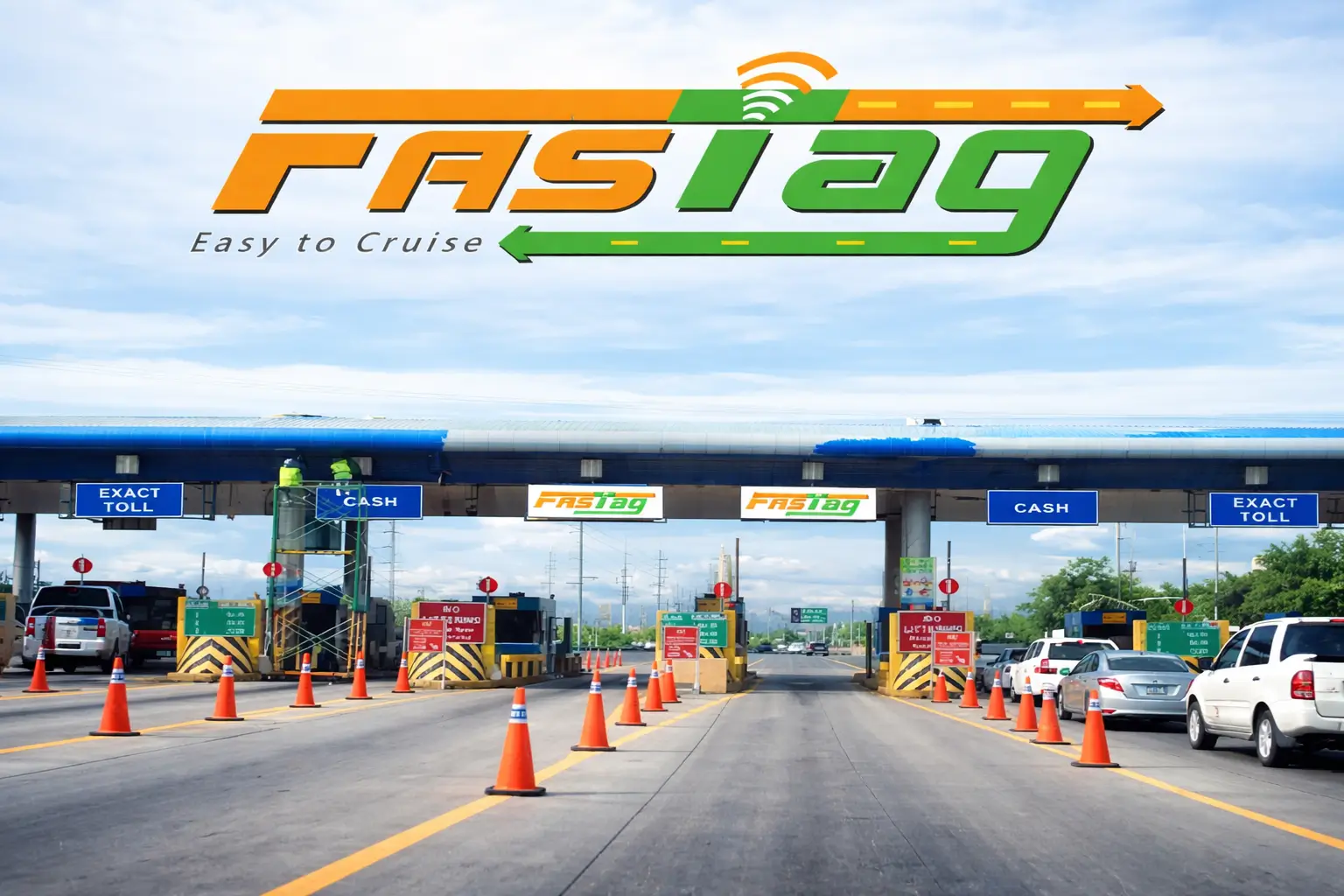
Complete guide to FASTag problems, penalties, and quick solutions for drivers in India
FASTag helps vehicles pass toll plazas without stopping. But when it stops working, drivers face long queues, extra charges, and unnecessary stress.
With India moving towards fully cashless tolling from April 1, 2026, keeping your FASTag active is now essential. This guide explains the main reasons FASTag fails and how to fix it quickly.
Also read→
How to Close or Deactivate South Indian Bank FASTag
Why FASTag Stops Working
Most FASTag problems happen due to small and avoidable issues.
Low Balance in Account
If your FASTag wallet does not have enough balance, toll payment may fail.
Fix:
Recharge using UPI, bank app, or FASTag app
Maintain sufficient balance (₹200+ recommended)
Enable auto-recharge if available
Wrong Placement on Windshield
Incorrect placement blocks RFID signals.
Fix:
Paste behind the rear-view mirror
Clean the glass before sticking
Do not remove and re-paste
Blocked or Inactive FASTag
Blocked FASTags cannot be scanned at toll plazas.
Common reasons:
Incomplete KYC
Long period of inactivity
Using multiple FASTags
Mismatch in vehicle details
Fix:
Check status in issuer app
Complete KYC
Contact customer support
Damaged FASTag Sticker
A torn or faded sticker may stop working.
Fix:
Request replacement from your bank
Install new tag properly
Incorrect Vehicle Information
Wrong RC or number plate data can cause errors.
Fix:
Update vehicle details
Upload documents
Re-verify in FASTag system
How to Fix FASTag Issues Quickly
Follow these simple steps:
Check wallet balance
Confirm tag status is “Active”
Inspect sticker condition
Verify RC and number plate details
Contact issuer customer care
Most problems are resolved within 24–48 hours.
What If Money Is Deducted but Gate Doesn’t Open?
Sometimes payment is deducted, but the barrier does not open.
What to Do
Save SMS or app alert
Keep toll receipt
Raise complaint in app or website
Track refund status
Refunds are typically processed within 3–10 working days, though timelines may vary.
Penalties If FASTag Is Not Working in 2026
Authorities are now strict about digital toll payments.
Current Rules
Cash payment (where allowed): Up to 2× toll
UPI without FASTag: Around 1.25× toll
Invalid FASTag: Delay or restricted entry
Repeated violations may lead to blacklisting.
2026 Cashless Toll Update
From April 1, 2026, national highways will follow:
No cash lanes
Only FASTag or UPI accepted
Automatic penalty system
Faster vehicle movement
Vehicles without valid FASTag may be denied entry or face heavy penalties.
Tips to Keep FASTag Working Smoothly
Follow these simple habits:
Maintain sufficient balance
Avoid touching the sticker
Use only one FASTag per vehicle
Complete KYC on time
Replace damaged tags early
These steps prevent most common failures.
Common FASTag Mistakes to Avoid
Many users face problems due to:
Using multiple tags
Re-pasting old stickers
Ignoring low-balance alerts
Buying unofficial FASTags
Skipping KYC updates
Avoiding these mistakes saves time and money.
How Parksmart Helps in Smart Parking
Modern parking facilities are now integrating FASTag and RFID-based systems.
Parksmart provides automatic boom barriers and smart parking solutions for smooth vehicle entry, exit, and billing.
Their systems reduce congestion and improve parking management in commercial and residential spaces.
Conclusion
FASTag problems usually occur due to low balance, wrong placement, blocked status, or damaged stickers. Thankfully, most issues can be fixed easily with basic checks.
With fully cashless tolling in effect from 2026, maintaining an active FASTag is no longer optional; it is necessary for hassle-free travel.
For better parking control and seamless vehicle movement, Parksmart boom barriers and smart parking solutions offer reliable support.
Also read→
How to Close or Deactivate Airtel Bank FASTag Easily
Disclaimer
Information in this article is based on official guidelines and public sources as of 2026. Rules and processes may change over time. Always check your issuer’s app, NHAI, or IHMCL platforms for the latest updates.