Back
FASTag Transfer Rules You Must Follow When Selling Your Vehicle
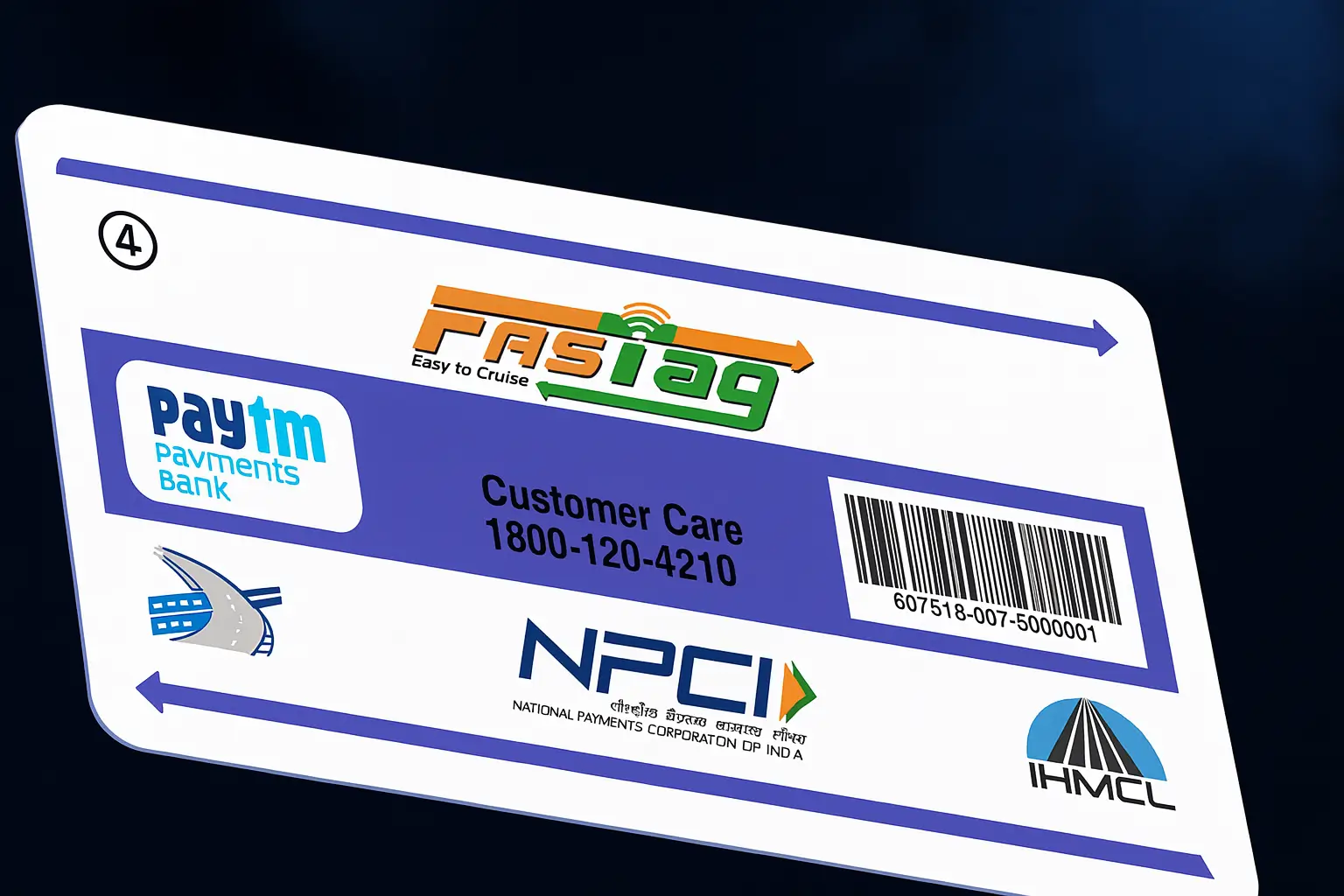
Clear guide on FASTag closure, transfer rules, and steps when selling vehicles.
Selling a vehicle involves more than handing over the keys and signing the papers. One step many owners overlook is the FASTag transfer or closure process. Since FASTag is linked to your bank account and your vehicle’s registration number, ignoring this step can lead to unwanted payments, toll deductions, and disputes even after the vehicle is sold.
This guide clearly explains what happens to your FASTag when a vehicle is sold, what the law requires, and what you should do to avoid financial and legal issues.
Why FASTag Transfer Matters When Selling a Vehicle
When you sell your car or bike, the FASTag attached to it remains:
Linked to your bank or wallet
Connected to your KYC details
Active on the VAHAN database
Chargeable for any tolls the new owner crosses
This means the new buyer can continue using toll plazas at your cost unless the FASTag is formally closed. This has already happened to many sellers who later found random toll charges from cities they no longer travel to.
Can FASTag Be Transferred to the New Owner?
No. FASTag cannot be transferred from one owner to another.
Government rules allow only one option:
You must permanently close the existing FASTag.
After closure, the new owner must apply for a fresh FASTag in their own name and KYC details.
This rule prevents misuse and keeps the FASTag system clear and traceable.
What Happens If You Don’t Close Your FASTag After Selling the Vehicle?
If you skip the closure step, the consequences can include:
Tolls are being deducted from your account
Disputes with the buyer
Difficulty updating ownership details
Risk of misuse if the new owner commits violations
Issues with linking the new RC to FASTag under the buyer’s name
Legally, once a vehicle is sold, all linked services (RC, insurance, FASTag) must be updated. Leaving FASTag active creates unnecessary risk.
How to Close FASTag When Selling Your Vehicle
The closure process is simple but must be done properly.
You can follow these steps depending on where your FASTag was issued.
1. Contact the Issuing Bank or Wallet
FASTags are issued by banks such as SBI, HDFC, ICICI, Axis, Paytm, Airtel Payments Bank, and others.
Visit the bank portal, call customer support, or use the mobile app.
2. Request “FASTag Closure” or “Tag Surrender”
Provide:
Registered mobile number
Vehicle registration number
FASTag wallet/account ID
Once verification is complete, the bank will block and close the tag.
3. Remove the Physical FASTag from the Vehicle
Peel it off the windshield and dispose of it.
It becomes non-functional after bank deactivation.
4. Confirm Closure Message
Banks send a confirmation SMS or app notification.
Keep this message for your records, especially during ownership transfer.
Do You Need to Apply for a New FASTag After Selling the Vehicle?
No. You only close the FASTag of the vehicle you sold.
If you buy another car, you can apply for a new FASTag separately.
Each vehicle requires a unique FASTag linked to its RC.
Also read→
How to Close or Deactivate South Indian Bank FASTag
What If the Buyer Wants to Use the Same FASTag?
They cannot.
FASTag is linked to:
Your KYC
Your bank account
Your vehicle ownership status
Once the new owner completes RC transfer, they must apply for a new FASTag with their own details.
Trying to “use the old FASTag” will only cause payment failures and verification issues.
What If RC Transfer Is Still in Process?
If RC transfer is pending, you must:
Close FASTag immediately
Provide the buyer with the closure confirmation
Suggest that they apply for a new FASTag once the RC is updated
This keeps both parties safe from unwanted deductions.
Who Is Responsible for FASTag Closure — Seller or Buyer?
The responsibility lies only with the seller.
Since the FASTag is connected to your bank account and mobile number, closure is your duty.
If the buyer continues using your FASTag, you remain financially liable.
Many buyers are unaware of this process, so communicating clearly helps avoid confusion.
FASTag Closure for Commercial Vehicles
The process is the same, but commercial owners must also:
Notify their fleet operator (if applicable)
Remove the tag from fleet billing systems
Update transport records to avoid toll misuse
Commercial vehicles often travel long distances, so failing to close FASTag can lead to significant deductions.
Final Advice Before You Hand Over the Vehicle
Before final delivery, make sure you complete these steps:
Close the FASTag
Remove the physical tag
Keep closure SMS/email
Hand over RC, insurance, and other documents
Remind the buyer to apply for a new FASTag
This protects you from future complications and ensures a clean transfer.
Also read→
How to Close or Deactivate Airtel Bank FASTag Easily
Final Words
FASTag is now a mandatory part of vehicle movement across national highways. When you sell your vehicle, closing your FASTag is as important as handing over the keys. It prevents unwanted deductions, protects your banking details, and ensures a smooth transition for the new owner.
For clearer and updated information on FASTag rules, vehicle documentation, RTO processes, challans, and ownership transfers, Parksmart continues to bring you reliable and easy-to-understand guidance.