Back
Future of EV Parking Stations in India for Smart Cities
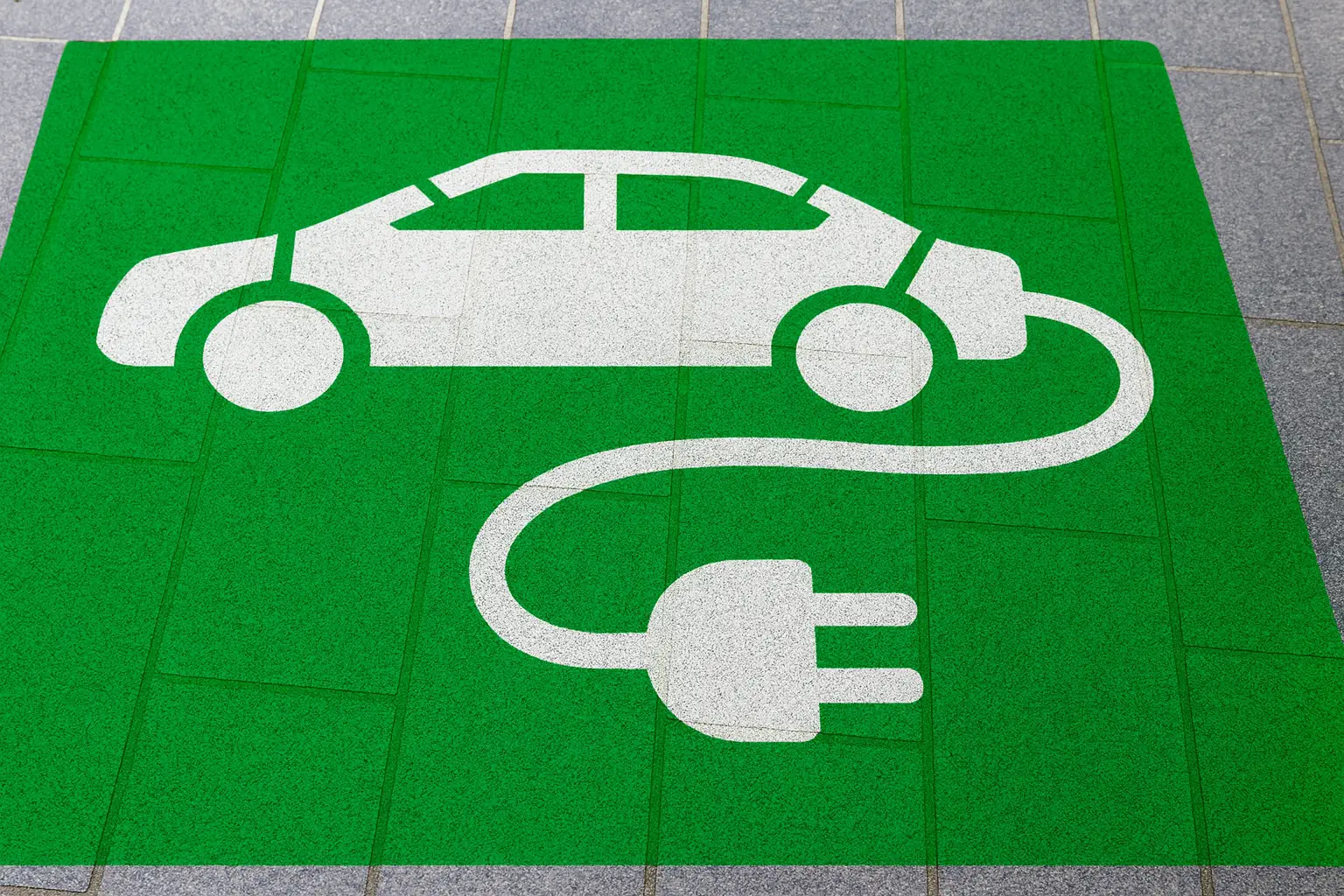
How electric vehicle parking and charging infrastructure will transform Indian cities.
India’s roads are changing quietly but steadily. Electric vehicles (EVs), once seen as a premium experiment, are now becoming a realistic choice for many drivers. As more people switch to electric cars and two-wheelers, one major question keeps showing up: Where will all these vehicles charge and park? This is where the future of EV parking stations in India becomes an important conversation.
EV parking is not just about finding a space. It is about building a smart, reliable, and connected ecosystem that supports clean mobility.
Why EV Parking Stations Matter More Than You Think
Traditional parking spaces are designed for vehicles that run on petrol and diesel. But EVs need something more — access to power. Without proper charging points at parking locations, EV adoption can slow down.
Today, many EV owners depend on home charging. But this will not be enough in the long run. Apartments, offices, malls, highways, airports, and even public streets need charging-enabled parking bays. These spaces will act as “refuelling points” for electric vehicles.
In simple words:
No charging station = No confidence to buy an EV.
How India Is Preparing for EV Parking Growth
The Indian government and private sector have already started working on building EV-friendly infrastructure.
Some visible changes include:
New commercial buildings are advised to keep EV charging bays
Highway projects, including fast-charging corridors
Smart city plans integrating EV parking solutions
Fuel stations adding EV charging points
Several state governments are also offering subsidies and incentives to install charging infrastructure in residential and public areas. This step is slowly turning standard parking spots into EV-ready zones.
Also read→
How to Get Vehicle NOC from RTO: Complete Step Guide
What Will EV Parking Look Like in the Next 5–10 Years?
The future of EV parking will not look like today’s parking areas. Big changes are expected in design, technology, and user experience.
1. Smart Charging Bays
Parking slots will be reserved specially for electric vehicles. Each slot will have a built-in or nearby charging point. Drivers can park and charge at the same time.
2. App-Based Slot Booking
People will be able to book EV parking slots in advance using mobile apps. These apps will show:
Available slots
Charging speed
Pricing
Distance from your location
This will reduce waiting and confusion.
3. Solar-Powered Parking Stations
In many places, parking sheds will be covered with solar panels. These panels will help generate clean power for EV charging. This is both cost-effective and eco-friendly.
4. Automated & AI-Based Systems
Future EV parking will use Artificial Intelligence to manage:
Slot availability
Power distribution
Traffic flow inside the parking area
Vehicle number plates or RFID tags can be used for smooth, touchless entry and exit.
Challenges India Still Needs to Solve
While the future is promising, some challenges remain:
Limited infrastructure in small cities and towns
High setup cost for fast-charging stations
Electrical grid pressure during peak hours
Lack of standardised charging systems
But like every new technology, these problems will be solved with time, innovation, and proper planning.
How EV Parking Will Benefit Cities
EV-enabled parking stations will not just help car owners. They will also help cities in many ways.
Reduced air pollution
Lower noise levels
Better traffic flow management
More organised parking systems
Encouragement for green transport
This change can directly improve the quality of life in crowded urban areas.
Role of Parksmart
Focusing on smart parking and vehicle movement can play a big role in this transition.
Parksmart, for example, is already working on:
Smart parking solutions
Boom barriers and access systems
Automated vehicle movement control
In the near future, such systems can easily be upgraded and integrated with EV charging networks, making parking areas more intelligent and future-ready.
What Should Developers & Societies Do Now?
To stay ahead in the EV era, builders and societies should start acting now:
Reserve some percentage of parking for EVs
Install at least basic charging points
Upgrade electrical capacity
Plan smart layouts for future expansion
This early planning will save huge costs later and increase property value.
Also read→
How to Check Vehicle Owner Details Online by Number Plate
Final Thoughts
The future of EV parking stations in India is not a distant dream. It is already taking shape. From smart cities to highways and residential complexes, charging-based parking will soon become a normal part of everyday life.
India is moving towards electric mobility, and parking infrastructure must move with it. The sooner we adapt, the smoother the transition will be.