Back
Parking Fines in India: Latest Rules and Charges 2026
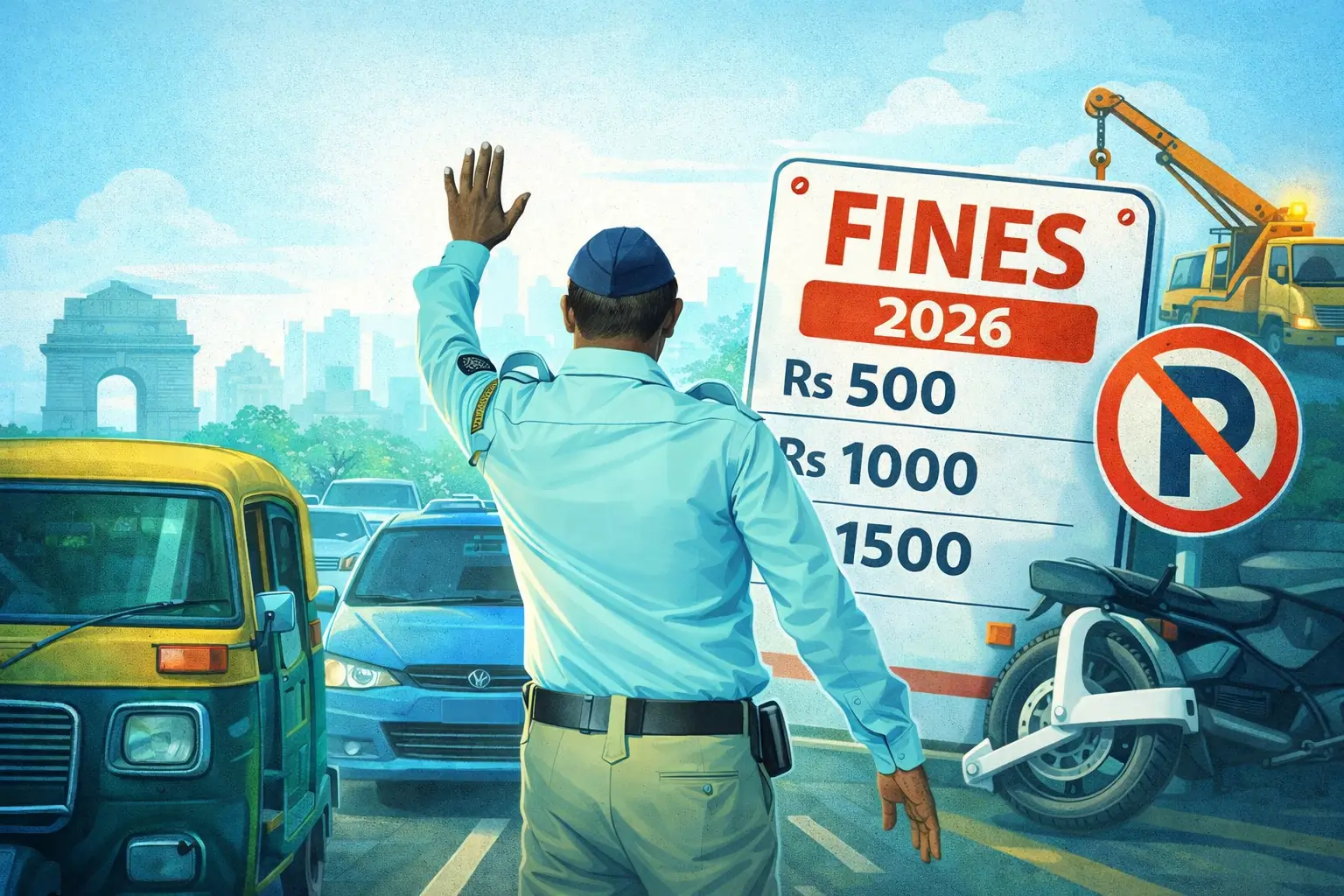
Updated guide to parking rules, fines, challans, and smart ways to avoid penalties
Finding a parking space in Indian cities has become harder every year. Roads are crowded, space is limited, and traffic authorities are now using cameras and digital systems to monitor violations. Because of this, parking fines are increasing in both number and value.
In 2026, many vehicle owners receive challans not because they park incorrectly, but because they are unaware of updated rules. This guide explains the latest parking regulations, fine amounts, and practical ways to avoid unnecessary penalties.
Why Parking Rules Are Getting Stricter
Wrong parking does more than block space. It slows traffic, creates safety risks, and frustrates everyone on the road.
Authorities now focus on parking discipline because:
Improper parking increases traffic jams
Emergency vehicles face delays
Pedestrians lose safe walking space
Accident risk increases
Public transport routes get blocked
To control these problems, cities now use digital monitoring and stricter enforcement.
Also read→
RTO Rules Most Vehicle Owners Learn Only After Paying Fines
Common Parking Mistakes That Lead to Challans
Many drivers get fined for simple mistakes. The most common ones include:
Parking in No-Parking Areas
Areas marked with signs, yellow lines, or boards are strictly monitored.
Parking on Footpaths
Footpaths are meant for pedestrians. Parking here almost always leads to a fine.
Parking Near Junctions
Stopping close to crossings, signals, or roundabouts affects visibility.
Blocking Gates and Driveways
Blocking building entrances, shops, or society gates is treated as an obstruction.
Double Parking
Leaving your car beside another parked vehicle blocks one lane.
Parking Near Bus Stops
Bus stops and public transport zones must remain clear.
Parking in Emergency Zones
Hospital entrances, fire exits, and ambulance zones carry higher penalties.
Parking Fine Charges in India (2026)
Fine amounts may differ slightly between cities, but in most places, they fall within these ranges:
Minor parking violation: ₹500 to ₹1,000
No-parking zone offence: ₹1,000 to ₹2,000
Blocking emergency access: ₹2,000 to ₹5,000
Double parking: ₹1,000 to ₹3,000
Repeated violations: Higher fines or towing
These charges are designed to discourage careless parking habits.
How Parking Challans Are Issued Today
In 2026, parking fines are issued through multiple systems.
Traffic Police On Duty
Officers issue challans on the spot using handheld devices.
CCTV and Smart Cameras
AI-based cameras automatically capture violations and generate fines.
Digital Notices
Challans are sent via SMS and updated on official platforms.
Most fines now appear directly on mParivahan.
Where to Check Your Parking Challans
You can check pending fines through:
mParivahan mobile app
State traffic police websites
Official transport portals
Regular checking helps you avoid late penalties.
Why You Should Never Ignore Parking Fines
Ignoring challans may create future problems.
Unpaid fines can:
Block RC renewal
Delay DL renewal
Create issues during vehicle transfer
Lead to higher penalties
Invite legal notices
Clearing challans early saves time and stress.
Simple Ways to Avoid Parking Challans
Following basic habits can prevent most fines.
Read Road Signs Carefully
Always check boards and markings before parking.
Use Designated Parking Areas
Choose marked parking zones or paid parking lots.
Avoid “Just Two Minutes” Stops
Short stops in restricted zones still count as violations.
Keep Emergency Areas Clear
Never park near hospitals, fire exits, or ambulance routes.
Use Digital Parking Payments
Pay through apps or QR systems where required.
Understand Local Rules
Different cities have different restrictions. Stay updated.
Park Without Obstructing Others
Make sure gates, footpaths, and roads remain open.
What to Do If You Get a Parking Challan
If you receive a fine, follow these steps:
Check Details
Verify vehicle number, location, date, and offence.
Pay Online
Use mParivahan or official portals for safe payment.
Raise a complaint if needed
If wrongly fined, submit proof through the traffic website.
Avoid paying through unofficial agents.
How Smart Parking Systems Help Reduce Fines
Many societies, malls, and offices now use automated parking systems.
These systems help by:
Showing available parking slots
Preventing illegal entry
Managing traffic flow
Recording vehicle movement
Reducing disputes
Smart boom barriers and RFID systems also reduce confusion at entry and exit points.
How Better Parking Habits Improve Cities
Good parking behaviour benefits everyone.
It helps in:
Faster traffic movement
Safer roads
Less congestion
Better public transport flow
Cleaner city spaces
When drivers follow rules, cities become more organised.
Conclusion
Parking fines in India are no longer rare. With digital monitoring and strict enforcement, even small mistakes can lead to challans in 2026.
To stay safe:
Park only in permitted areas
Follow road signs
Avoid blocking paths
Check challans regularly
Pay fines on time
Responsible parking not only saves money but also improves daily travel for everyone.
For more practical guides on parking systems, traffic rules, and vehicle compliance, stay connected with Parksmart.
Parksmart provides reliable boom barriers and smart parking solutions for societies, offices, and commercial spaces.
Contact Parksmart today to upgrade your parking system with secure, automated access control.