Back
RTO Rules Most Vehicle Owners Learn Only After Paying Fines
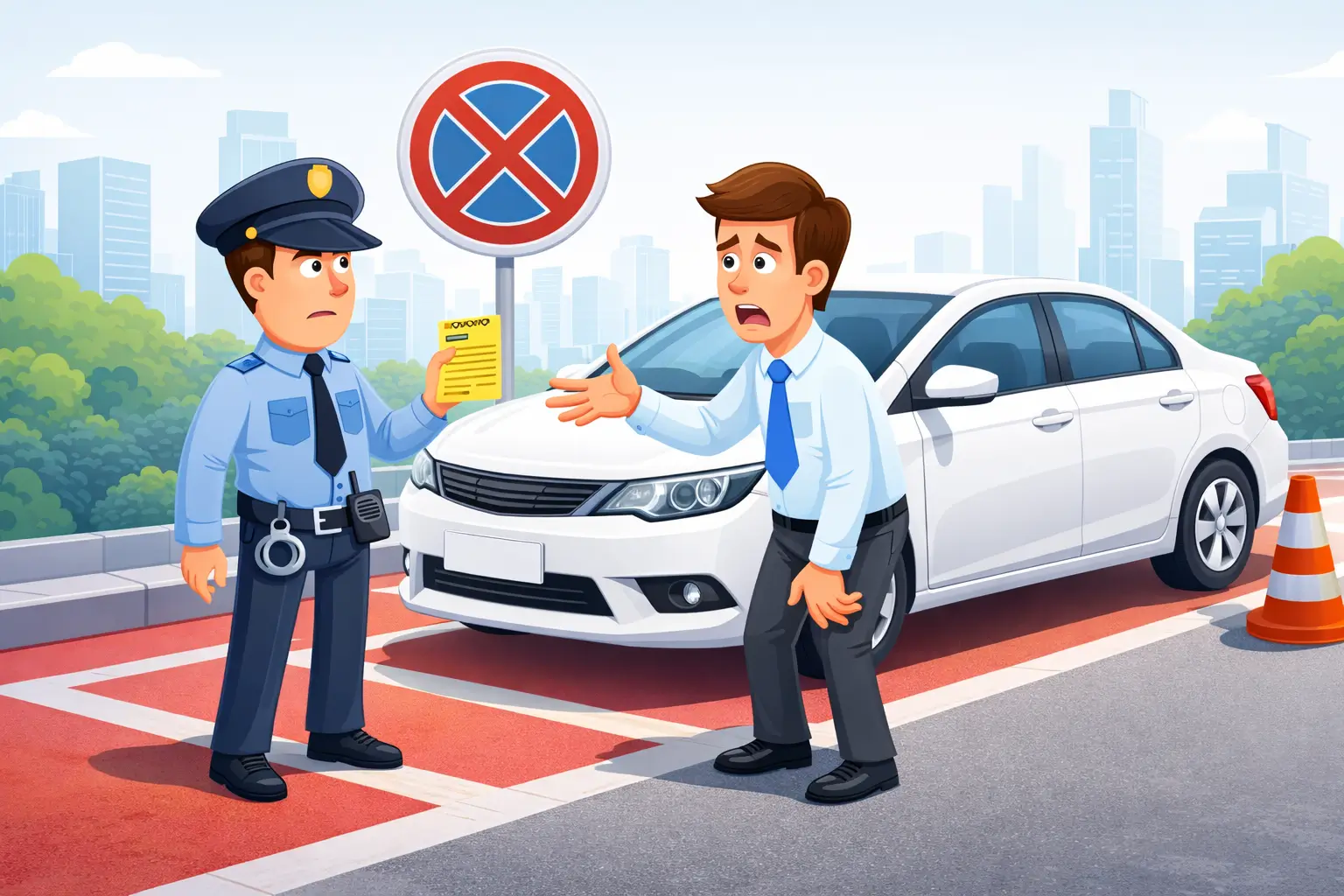
Hidden RTO compliance rules every Indian vehicle owner must know to avoid penalties.
Many vehicle owners believe they understand RTO rules well enough. They carry a driving licence, keep insurance active, and renew registration when required. Yet every day, thousands of drivers receive fines for rules they never knew existed.
These penalties do not always come from reckless driving. Most are the result of small compliance gaps that quietly turn into violations. This blog explains the RTO rules that people usually discover only after paying a fine.
Driving Licence Renewal Has a Grace Limit
Many drivers assume they can renew their licence at any time after expiry. In reality, there is only a limited grace period.
If you delay too long:
Late fees apply
You may need to retake tests
Your licence can be treated as invalid during checks
Driving with an expired licence is treated as driving without a licence, even if it expired recently.
Insurance Must Be Active at All Times
Some owners renew insurance only when reminded. Even a single day without coverage counts as a violation.
Traffic systems now verify insurance digitally. If your policy lapses:
You can be fined on the spot
Your vehicle may be detained
Accident claims can be rejected
Insurance gaps are one of the most common hidden violations.
Pollution Certificate Is Digitally Tracked
PUC certificates are no longer optional documents kept in the glove box. Most states link PUC data with central databases.
If your PUC expires:
Cameras may flag your vehicle
Renewal services may be blocked
Fines are issued automatically
Physical certificates without digital updates may not be accepted.
Address Updates Are Legally Required
When you change residence, you must update your address on RC and DL.
Many owners skip this step. Problems arise when:
Verification notices are sent to old addresses
Renewal applications are rejected
Police records show mismatched data
Incorrect address details can invalidate applications.
FASTag Mapping Is Your Responsibility
If your FASTag is linked to the wrong vehicle number, you remain responsible.
This can cause:
Double toll charges
Toll penalties
Entry denial at the parking gates
Compliance flags
RTO rules treat FASTag data as part of your vehicle profile.
Hypothecation Removal Is Mandatory After Loan Closure
After clearing a vehicle loan, many owners forget to remove the bank hypothecation from the RC.
Until updated:
RC transfer is blocked
Insurance claims may face delays
Ownership records remain incomplete.
Banks do not update this automatically. The owner must initiate it.
Also read→
New RC Smart Cards Guide for Vehicle Owners in India
Modification Approval Is Often Required
Changes such as tinted films, loud exhausts, roof carriers, or altered lights require approval.
Unauthorised modifications can lead to:
Heavy fines
Vehicle seizure
Registration cancellation warnings
Even cosmetic changes may violate regulations.
Temporary Registration Has Strict Limits
Temporary registration is valid only for a short period.
If you fail to convert it to permanent RC:
The vehicle becomes illegal on the roads
Insurance validity may be questioned
Heavy penalties apply
Many buyers overlook this deadline.
Old Challans Block New Services
Unpaid challans do not disappear with time.
Pending fines can:
Block RC renewal
Delay licence services
Affect vehicle transfers
RTO systems treat unpaid challans as unresolved violations.
Medical Fitness Is Required After a Certain Age
For senior drivers, medical certificates are mandatory for licence renewal.
Without proper certification:
Renewals are rejected
Licence may become inactive
Enforcement checks become problematic
This rule is often missed until rejection occurs.
Digital Records Matter More Than Physical Copies
Having physical documents is no longer enough.
If digital records are incorrect:
Physical documents may be questioned
Apps may show an inactive status
Enforcement systems may flag your vehicle
Authorities now rely on databases first.
Why These Rules Are Enforced Strictly Now
RTO systems are fully digital and interconnected. Traffic cameras, toll systems, parking infrastructure, and police devices all access central records.
This means:
Errors are visible instantly
Manual explanations carry less weight
Compliance is verified automatically
Ignorance is no longer a valid defence.
How to Stay Penalty-Free
To avoid learning rules the hard way:
Check DL, RC, PUC, insurance, and FASTag status every few months
Update personal details immediately
Clear challans without delay
Keep digital records accurate
Review vehicle status on official platforms
Regular checks prevent sudden fines.
Also read→
How to Check Vehicle Owner Details Online by Number Plate
Final Thoughts
Most RTO penalties are not caused by dangerous driving. They happen because of forgotten updates, expired documents, or incomplete records.
Understanding these lesser-known rules helps you stay compliant, save money, and avoid unnecessary stress.
For clear guidance on RTO services, vehicle compliance, parking systems, and ownership rules, Parksmart helps you stay informed before mistakes turn into fines.