Back
Parking Rules That Can Get Your Vehicle Towed Without Warning
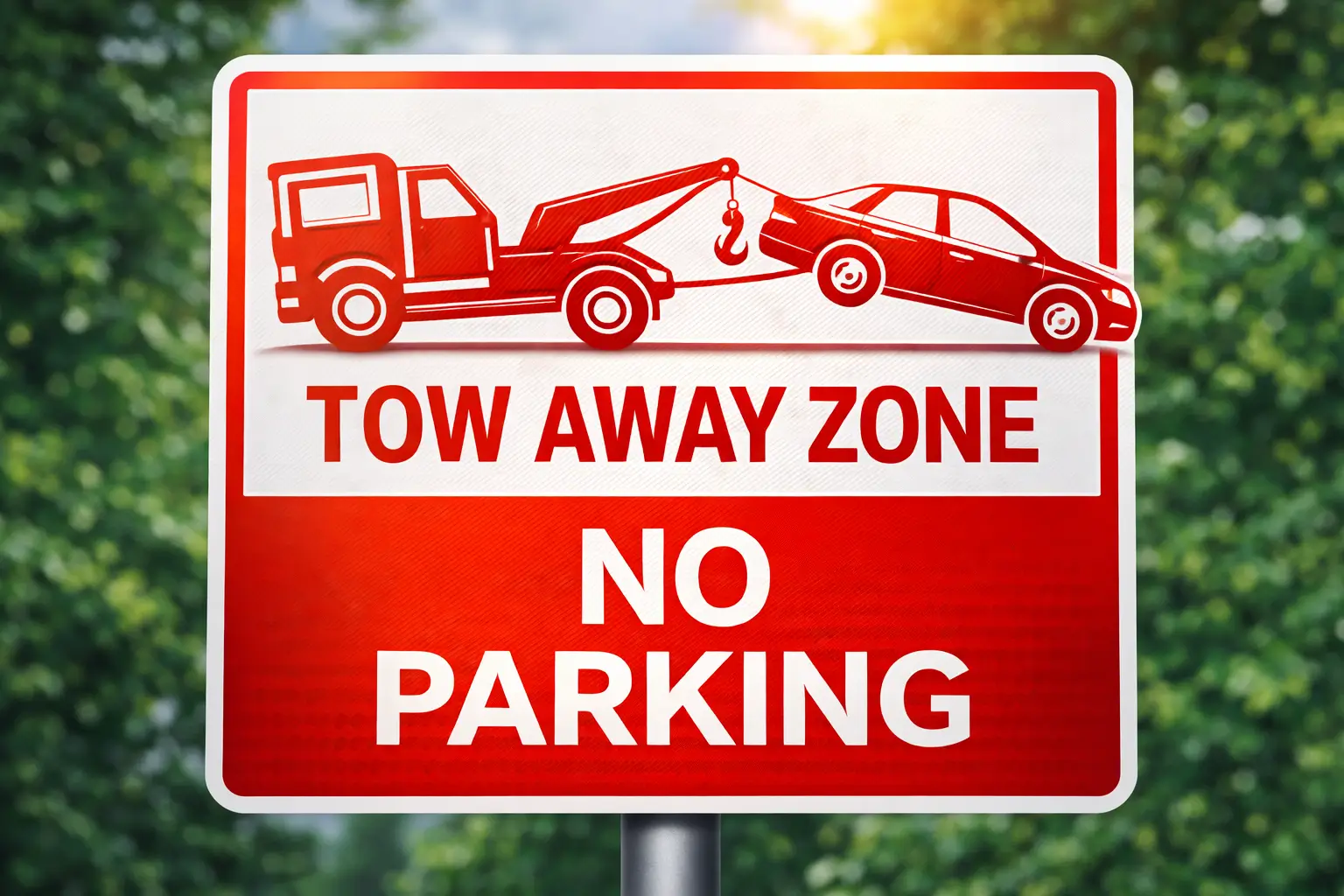
Learn parking mistakes that allow instant towing under Indian traffic rules today.
Most vehicle owners assume towing happens only after repeated announcements or visible warnings. In reality, many vehicles across Indian cities are towed without prior notice, simply because they violate specific parking rules that allow immediate action. These rules are enforced to ensure traffic flow, emergency access, and public safety, not to inconvenience drivers.
Understanding these lesser-known towing rules can save you from fines, towing charges, and wasted hours at traffic yards.
Why Vehicles Are Towed Without Warning
Traffic authorities have the legal power to tow vehicles that cause obstruction, pose safety risks, or violate notified parking restrictions. In such cases, warnings are not required. If a vehicle is found in violation at the time of inspection, towing can happen instantly.
With the rise of AI cameras and strict urban traffic management, enforcement has become faster and less dependent on manual checks.
Parking in No-Parking Zones (Even Briefly)
“No Parking” zones are absolute restrictions, not time-based allowances. Parking even for a few minutes—whether the driver is inside the vehicle or nearby—can lead to towing.
Common areas marked as no-parking include:
Busy arterial roads
Market entry and exit points
Near traffic signals
Narrow lanes with high vehicle movement
Temporary stops are not exempt unless specifically marked as “No Stopping” or “Pick-Up Allowed.”
Blocking Driveways, Gates, or Entry Points
Parking in front of residential gates, commercial entrances, or private driveways is a major reason for immediate towing. Even if there is no visible signboard, blocking access is considered an obstruction.
Complaints from residents or businesses often trigger instant towing, especially in urban neighbourhoods and mixed-use zones.
Parking on Footpaths and Pedestrian Crossings
Footpaths are reserved for pedestrians, and parking on them is treated as a serious violation. Vehicles parked on:
Footpaths
Zebra crossings
Pedestrian ramps
are often towed without warning, particularly in metro cities. Authorities prioritise pedestrian safety, and such violations attract strict enforcement.
Parking Near Fire Hydrants or Emergency Zones
Parking near fire hydrants, emergency exits, hospitals, or fire lanes is considered a critical safety violation. Vehicles parked in these areas can be towed immediately because they may block emergency response during fires or medical emergencies.
In many cities, even faded or partially visible markings are still legally valid.
Also read→
Hit Your Parked Car? Discover the Essential Action Plan Now
Double Parking on Active Roads
Double parking, stopping beside an already parked vehicle, disrupts traffic flow and can cause congestion. This is one of the fastest ways to get your vehicle towed, especially during peak hours.
Even if other vehicles are already double-parked, enforcement teams may tow the last parked vehicle first.
Parking in Bus Stops, Auto Stands, or Taxi Zones
Public transport zones are reserved exclusively for buses, autos, or taxis. Parking private vehicles in these areas affects passenger movement and public transport schedules.
Vehicles found parked in:
Bus bays
Auto stands
Taxi pick-up zones
Parking in Front of Fire Exits or Emergency Stairways
In commercial buildings, malls, and offices, parking in front of fire exits or emergency staircases is treated as a severe safety risk. Security teams often coordinate with traffic police for immediate towing.
These areas are monitored closely due to fire safety regulations.
Parking on Roads Declared as “Clearways”
Some city roads are declared clearways during specific hours to maintain traffic flow. Parking is strictly prohibited during these periods, even if parking is allowed at other times.
Clearway rules are enforced through:
Signboards with time slots
Digital alerts
Traffic police monitoring
Vehicles parked during restricted hours are towed without prior notice.
Parking in Construction or Temporary Restricted Zones
During road repairs, festivals, political events, or VIP movements, authorities temporarily restrict parking in certain areas. These restrictions may not always be widely announced.
Vehicles parked in such zones are often towed immediately to prevent congestion or security risks.
Parking Without Valid Registration or Number Plate Visibility
Vehicles without proper registration plates, faded numbers, or obstructed number plates are easier targets for towing. Authorities treat such vehicles as enforcement risks and may tow them without further verification.
What Happens After Your Vehicle Is Towed
Once towed:
The vehicle is moved to a designated traffic yard
You must pay the towing charge and the challan
Additional parking charges may apply per day
Delays in retrieval increase costs and inconvenience.
How to Avoid Sudden Towing
Always check for signage, markings, and road width
Avoid parking near corners, junctions, and entry points
Use designated parking zones, even if slightly farther
Stay alert to temporary restrictions during events
Monitor local traffic updates when parking in unfamiliar areas
Also read→No Parking Fine Rules in India, Charges and Common Mistakes
Final Thoughts
Vehicle towing is not random or arbitrary. It follows specific rules designed to maintain safety and order on public roads. Many drivers face towing simply because they are unaware of how strictly these rules are enforced.
Knowing where not to park is just as important as knowing where you can.
For more practical insights on parking rules, traffic compliance, FASTag, and vehicle ownership, Parksmart helps you stay informed and prepared.