Back
RTO Rules and Fines for Modified Vehicles in India Explained Clearly
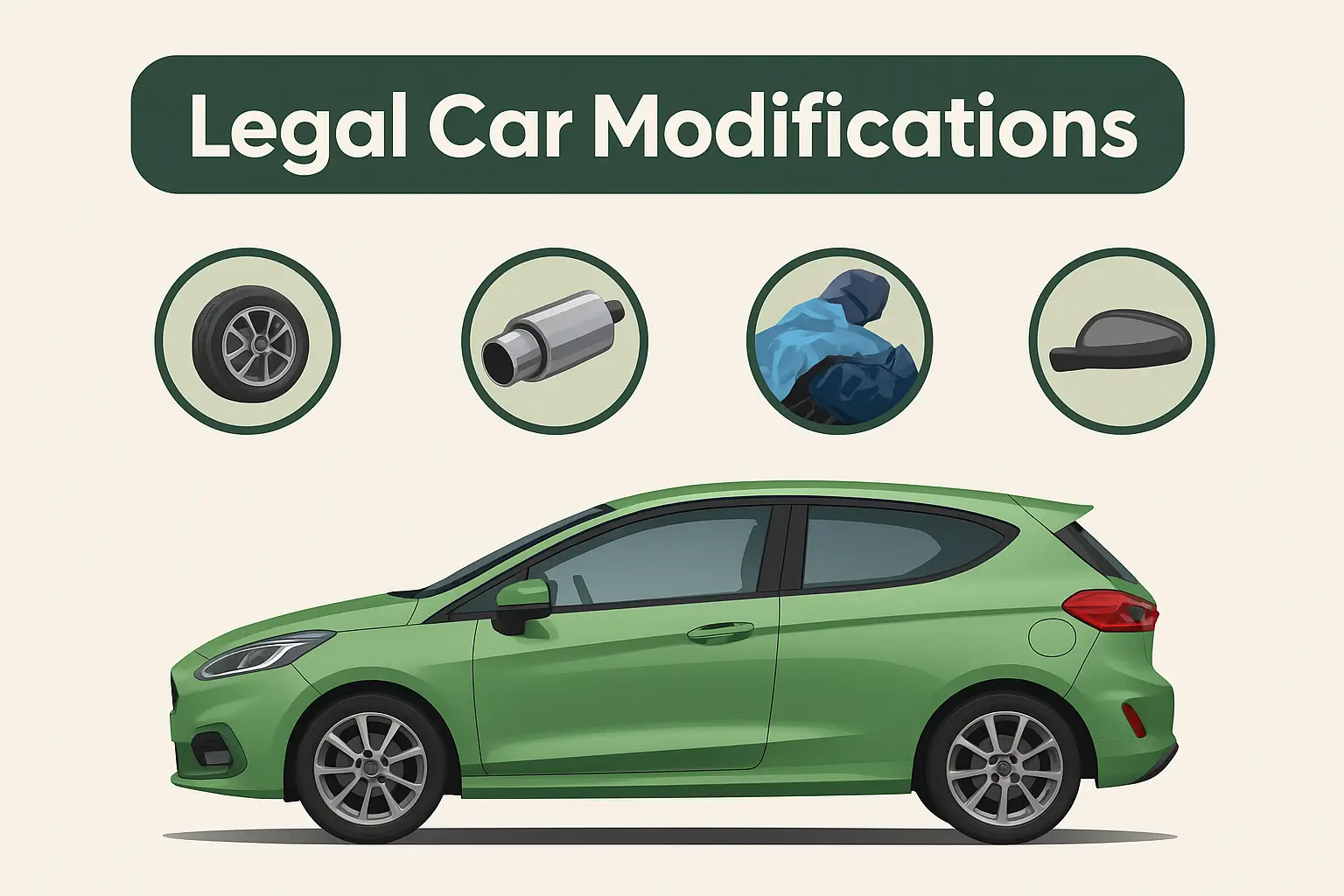
Understand legal vehicle modifications, banned upgrades, penalties, and 2025 RTO enforcement guidelines easily
Vehicle modification has always been popular in India, but from 2025 onward, enforcement has become much stricter. With ANPR cameras, digital surveillance, and automated RC verification, even minor changes that previously went unnoticed can now result in fines. Understanding what is allowed and what attracts penalties is essential for every car and bike owner.
Why RTO Enforcement Became Stricter in 2025
Transport departments across India have reported frequent accidents involving structurally altered or performance-modified vehicles. These changes often affect handling, braking, visibility, and crash protection.
To improve safety, authorities now cross-check VAHAN data with real-time police systems, making it easier to identify mismatches between the vehicle and its registered specifications.
Legal Modifications Allowed in 2025
Not every modification leads to a penalty. The following changes are permitted when done within approved limits:
1. Colour Change (With RC Update)
A colour change is allowed but must be updated in the RC. Mismatched colours lead to fines during digital challan checks.
2. Alloy Wheels Within Manufacturer Limits
Alloy wheels are legal if they match the approved size range. Oversized wheels affect braking and stability.
3. Non-Structural Accessories
Roof rails, mouldings, foot-steps, infotainment upgrades, seat covers, and cameras are allowed as they do not alter the structure or dimensions.
4. Standard Factory Tint
Only manufacturer-provided glass is legal. Additional films that reduce visibility below the legal VLT limit attract penalties.
5. Vinyl Wraps and Simple Cosmetic Upgrades
Permitted unless they imitate police or emergency vehicles.
Illegal Modifications That Attract Fines
1. Structural Body Changes
Chopped roofs, widened body panels, removed doors, and open-roof conversions are prohibited. Fines may range from ₹5,000 to ₹15,000, and repeated violations can lead to RC suspension.
2. Engine Alterations and Performance Upgrades
ECU remaps, turbo kits, or engine capacity changes without approval are violations and may cause vehicle detention.
3. Oversized Tyres and Lift Kits
Large tyres, lift kits, and altered suspension affect safety and often fail fitness tests. Fines usually range from ₹1,000 to ₹5,000.
4. Loud Aftermarket Exhausts
High-noise exhausts and fire-pop systems are banned. Some states order immediate removal.
5. Fancy or Non-Standard Number Plates
Stylised fonts, coloured plates, or illuminated designs attract high penalties.
6. Dark Window Films
Anything below the legal visibility limit results in an instant fine.
7. Roof-Mounted Light Bars
Illegal for public roads due to glare and safety issues.
Also read→
How to Get Vehicle NOC from RTO: Complete Step Guide
How RTO Identifies a Violation
A modification is considered illegal if:
It changes the certified manufacturer specifications
It reduces safety, visibility, emission compliance, or crash protection
It permanently alters the structure or dimensions
If any of these conditions apply, the upgrade requires formal approval.
Approval Process for Certain Modifications
Changes such as fuel-type updates, seating capacity changes, engine swaps, or structural adjustments need pre-approval. Owners must submit Form 22 and related documents. Once approved and updated in the RC, the modification becomes legally valid.
Consequences of Violating Modification Rules
Owners may face:
On-spot challan
Mandatory removal of the part
Fitness test failure
RC suspension for repeated cases
Insurance claim rejection
Vehicle impoundment for serious violations
Also read→
How to Check Vehicle Owner Details Online by Number Plate
Conclusion
In 2025, modification rules are not against personal preference; they are designed to ensure safety and compliance. Cosmetic and non-structural upgrades are still possible, but structural, performance, and visibility-related changes require proper approval. Staying within legal limits keeps your vehicle safe, roadworthy, and free from penalties.