Back
Why Vehicle Compliance Is Becoming Strict in India by 2026
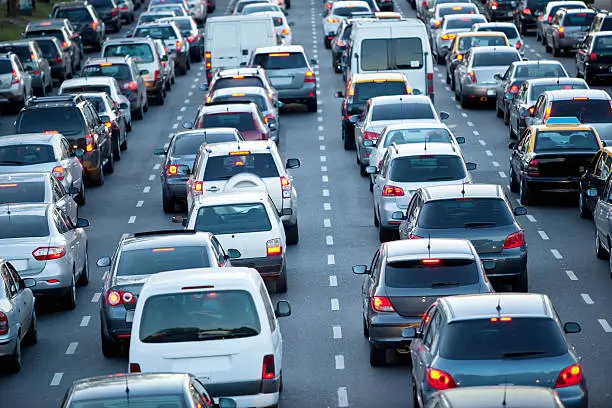
Digital enforcement, emissions rules, FASTag integration, and stricter traffic monitoring driving compliance changes.
Vehicle compliance, meaning adherence to road safety rules, registration norms, emissions standards, licensing requirements, and digital verification, was once a list of bureaucratic checkboxes. In 2026, it will have become central to how you drive, park, pay tolls, renew documents, and even sell or buy a vehicle in India.
If your vehicle compliance was “good enough” before, the tightening of rules now means you cannot afford gaps. This blog explains the real reasons behind stricter enforcement, what changes are driving it, and what every vehicle owner must do to stay legal and avoid penalties.
From Paper to Digital Reality
India is rapidly moving away from paper-centric compliance to digital authority systems. Platforms like mParivahan, VAHAN, FASTag networks, AI-traffic cameras, and RTO portals now communicate with each other.
Earlier, a traffic police officer manually verified documents. Now, digital systems cross-verify:
Driver’s licence validity
Vehicle registration status
Insurance status
FASTag status
Challan history
Non-compliance that once required an officer’s discretion can now be flagged automatically. This shift is a major factor in stricter enforcement.
Reason 1: National Digital Databases Are More Integrated
Earlier systems worked in silos. Today, VAHAN and Sarathi (DL system) are linked with mobile apps like mParivahan, FASTag networks, and traffic enforcement platforms.
When an officer scans a number plate or checks a DL, the data is pulled from live government sources. This integration enables:
Instant challan issuance
Automated verification during toll or traffic stops
Real-time status checks wherever you go
Because of this integration, small compliance gaps that previously went unnoticed are now visible to enforcement systems.
Reason 2: Increasing Urbanisation and Traffic Density
India’s cities are growing fast. Ageing traffic infrastructure and higher vehicle counts have put pressure on road safety and traffic management.
Urban authorities have responded by:
Installing AI-based traffic cameras
Enforcing digital challan systems
Monitoring parking violations digitally
Linking parking gates to verified access systems
In dense traffic environments, compliance is no longer optional—it is a necessity to maintain order and prevent congestion.
Also read→
No Parking Fine Rules in India, Charges and Common Mistakes
Reason 3: Environmental Standards Are Harder Now
Emission norms in India have been tightening for years. From Bharat Stage IV to BS VI and beyond, vehicles must meet strict pollution standards.
Most states now require:
Pollution Under Control (PUC) certification for all vehicles
Emission tests during registration renewal
Digital linkage of PUC to VAHAN and mParivahan
Penalties for vehicles without a valid PUC
Non-compliant vehicles affect air quality, especially in metro regions.
This is why emission compliance is now enforced more strictly than ever.
Reason 4: FASTag Implementation at Toll Plus Urban Parking
FASTag started as a toll payment tool. By 2026, it will have become a compliance marker. Many cities are now integrating FASTag with:
Urban parking access
Automated boom barrier systems
Congestion charge zones
Delivery fleet management
If your FASTag is inactive, low on balance, or linked to the wrong vehicle, you don’t just pay extra toll; you may be denied entry or even tracked for enforcement action.
Compliance now affects every public road and private gate that uses digital access systems.
Reason 5: Serious Crackdown on Habitual Violations
Authorities are focusing on repeat violators because they contribute disproportionately to accidents and traffic problems.
Digital challan systems now allow:
Tracking repeat offenders
Automated penalty escalation
Licence suspension flags
Intimation to owners via SMS/email
If your record shows repeated non-compliance, such as expired licence, unpaid challans, or no FASTag, modern systems alert enforcement personnel at stops or tolls.
Reason 6: Legal Push from Supreme Court/High Court Orders
Indian courts have been active in enforcing environmental and traffic safety mandates. In 2026:
Orders for stricter pollution control are in effect
Orders to digitalise traffic challan processing continue
Directives to curb illegal parking in cities are active
Legal backing accelerates compliance enforcement because authorities are required to ensure implementation, not just announce rules.
Reason 7: Insurance and Third-Party Verifications
Insurance companies now link your policy status to digital verification systems. A non-compliant vehicle may face:
Lapse in coverage
Higher premiums
Claim denial due to documentation mismatch
When enforcement systems correlate insurance records with VAHAN/Parivahan data, non-compliance becomes harder to hide.
Real-World Consequences of Non-Compliance
Because of these changes, the following are now more strictly enforced in 2026:
Expired driving licence checks via mParivahan
Unpaid or pending challans linked to DL or RC
Invalid or low-balance FASTag rejections at tolls/parking
Vehicles without a valid PUC or insurance
Illegal parking in zones monitored by AI systems
Unregistered modifications (like illegal tints or aftermarket changes)
Non-compliance can lead to fines, towing, licence suspension, or refusal of service at digital checkpoints.
What Every Vehicle Owner Must Do Now
Compliance is not just about obeying rules; it’s about being digitally prepared:
Renew Driving Licence on Time
Don’t wait for expiration. Renew early, and ensure mParivahan reflects the update.
Maintain an active FASTag
Check balance, fix mapping errors, complete KYC, and enable AutoPay if available.
Link and Verify Documents Electronically
Ensure that RC, DL, PUC, and insurance show correct and matching details in mParivahan.
Pay Challans Promptly
Unresolved fines lead to digital flags that affect services ranging from renewal to verification.
Follow Pollution Standards
Keep a valid PUC certificate and emission compliance up to date.
Correct Modifications via RTO
Do not install illegal modifications. Get approval when necessary.
Also read→
Hit Your Parked Car? Discover the Essential Action Plan Now
Final Words
In 2026, vehicle compliance is strict, not for inconvenience; it is a response to urban pressures, environmental goals, legal requirements, and digital capabilities. Systems now detect irregularities that were once ignored or overlooked.
Staying compliant is not just about avoiding fines. It keeps your vehicle legally operational, protects your rights during checks, speeds up renewals, eases toll/parking access, and reduces trouble in resale or transfer.
For practical, reliable guidance on vehicle rules, traffic compliance, RTO processes, and modern parking systems, Parksmart brings clear explanations without confusion. Stay prepared and stay compliant.