Back
Electric Vehicle Home Charging in India: Types, Setup, Cost Guide
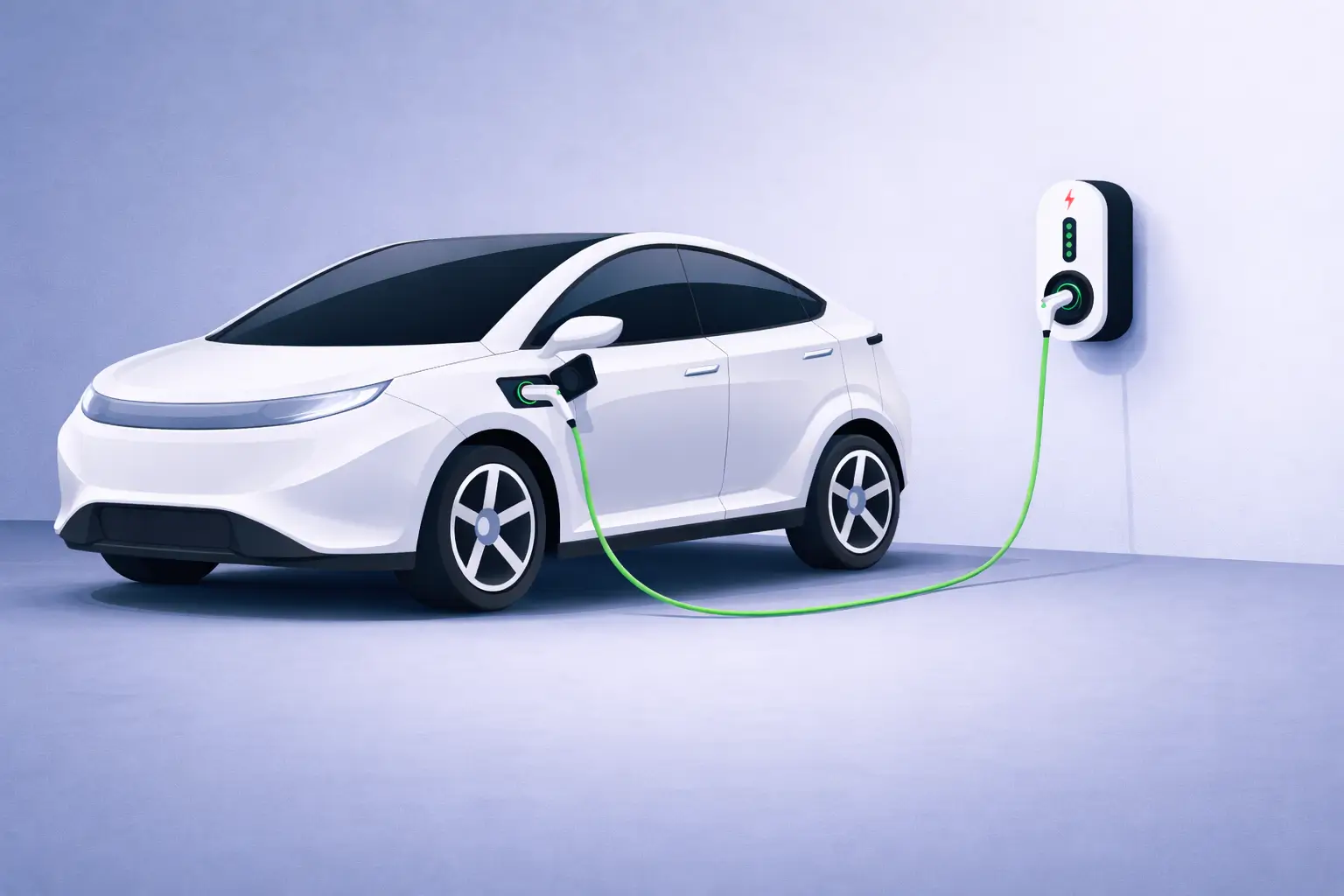
Complete guide to EV home chargers, installation, wiring, costs, and electricity requirements India
Electric vehicles are becoming more common on Indian roads. With rising fuel prices and increasing concern about pollution, many people are now choosing EVs for daily travel. However, buying an electric car is not only about design and range. One of the most important parts of EV ownership is having the right charging infrastructure.
Understanding how home charging works helps users save time and money and avoid future problems. This article explains EV charging simply and practically.
Types of AC Chargers for Home Use
Most EV owners in India charge their vehicles at home using AC chargers. These chargers are safe, reliable, and suitable for regular use.
There are three main types of AC chargers used for home charging:
The first is the 3.3 kW charger. It operates on single-phase electricity and typically takes 22 to 24 hours for a full charge.
The second is the 7 kW charger. It is faster and takes around 10 to 12 hours to fully charge. It requires supported two-phase or strong single-phase wiring.
The third is the 12 kW charger. This is a high-speed AC charger that needs three-phase electricity and can charge most EVs in about 5 to 6 hours.
Each charger type is suitable for different users depending on driving habits and power availability.
3.3 kW Charger – Slow and Basic Charging
The 3.3 kW charger is the most basic home charging option. In many cases, car companies provide this charger with the vehicle.
It works on normal household power and does not require major electrical changes. The installation cost is low, and it is suitable for people who can charge their car for long hours, especially at night.
A full charge usually takes around 22 to 24 hours, depending on the battery size.
This charger is best for users who drive less and do not need fast charging.
7 kW Charger – Balanced and Practical Choice
The 7 kW charger is the most preferred option for daily EV users. It offers a good balance between speed and cost.
It charges faster than the 3.3 kW unit and requires stronger wiring for safe operation. In some homes, small electrical upgrades may be needed.
With this charger, a full charge takes around 10 to 12 hours. Most users can plug in their car at night and use it fully charged the next morning.
This charger is ideal for office-going professionals and regular commuters.
12 kW Charger – High-Speed Home Charging
The 12 kW charger is designed for users who want faster charging at home.
It requires a three-phase electricity connection and professional installation. Because of this, the setup cost is higher compared to other chargers.
A full charge usually takes around 5 to 6 hours.
This charger is suitable for heavy users, premium EV owners, and people who drive long distances regularly.
Cost of Setting Up a Home EV Charging Station
Installing a home charging station involves more than just buying a charger. It also includes wiring, safety devices, labour charges, and sometimes electricity upgrades.
For a 3.3 kW charger, the total setup cost generally ranges between ₹20,000 and ₹35,000. This includes wiring, safety equipment, and installation. If the charger is provided free with the vehicle, the cost becomes even lower.
For a 7 kW charger, the total setup cost usually falls between ₹45,000 and ₹80,000. This includes the charger unit, heavy-duty wiring, earthing, and professional installation.
For a 12 kW charger, the setup cost is higher and normally ranges between ₹80,000 and ₹1.3 lakh. This includes the charger, three-phase panel, wiring, and safety systems. If a three-phase connection is not available, additional charges may apply.
These are one-time investments that improve long-term convenience.
Also read→
RTO Rules Most Vehicle Owners Learn Only After Paying Fines
Monthly Electricity Cost for Home Charging
Charging an EV at home is much cheaper than using public charging stations or running a petrol car.
On average, electricity costs between ₹6 and ₹9 per unit. A full charge generally costs around ₹300 to ₹500.
For regular users, the monthly charging expense usually remains between ₹3,500 and ₹6,000. This makes EV ownership economical in the long run.
Charging Details: Mahindra XEV 9e
The Mahindra XEV 9e is expected to be a long-range electric SUV suitable for both city and highway driving.
With a 3.3 kW charger, it can take up to 24 hours for full charging. Using a 7 kW charger reduces the time to around 10 to 11 hours. With a 12 kW charger, the battery can be charged in about 5 to 6 hours.
For most users, a 7 kW home charger is the recommended option. The setup cost usually ranges between ₹50,000 and ₹70,000.
Charging Details: Mahindra BE 6e
The Mahindra BE 6e is designed for modern urban users.
Using a 3.3 kW charger, it can be fully charged in around 21 to 23 hours. With a 7 kW charger, the charging time reduces to about 9 to 11 hours. With a 12 kW charger, it can be charged in nearly 5 hours.
A 7 kW charger is the most practical choice for BE 6e owners. The setup cost generally falls between ₹45,000 and ₹65,000.
Charging Details: Tata Harrier EV
The Tata Harrier EV is expected to be a premium electric SUV with strong performance and long range.
With a 3.3 kW charger, it may take around 23 to 24 hours for full charging. A 7 kW charger can complete charging in about 11 to 12 hours. A 12 kW charger can reduce this time to around 5 to 6 hours.
For Harrier EV users, a 7 kW or 12 kW charger is recommended. The setup cost may range from ₹55,000 to ₹1.1 lakh.
Why Home Charging Is Important
Having a personal charging station makes EV ownership simple and comfortable.
It saves time, reduces dependency on public chargers, and ensures that the vehicle is always ready to use. Home charging also helps maintain better battery health and lowers long-term running costs.
How to Choose the Right Charger
Users who drive occasionally and have a limited budget can choose a 3.3 kW charger.
Those who drive daily and want overnight charging convenience should go for a 7 kW charger.
Users who need fast charging and have three-phase electricity can invest in a 12 kW charger.
Choosing the right charger depends on driving habits, budget, and home electricity setup.
Also read→
Hit Your Parked Car? Discover the Essential Action Plan Now
Final Thoughts
Electric vehicles are shaping the future of transportation in India. But a smooth EV experience depends on proper charging planning.
Understanding charger types, electricity requirements, and setup costs helps users make better decisions.
Whether you choose XEV 9e, BE 6e, or Harrier EV, investing in a good home charging system will save time, reduce costs, and improve daily convenience.
With improving infrastructure and better awareness, EV ownership in India is becoming more practical and reliable.